Colombia Beyond the Postcards
A closer look at the Colombia you feel — not just the one you see


What you’ll find in this blog …
This blog explores Colombia through culture, food, local customs, and authentic experiences. The purpose is to offer a closer and more human view of the country, beyond the typical postcards and tourist clichés.
If you have any specific topic you want to discuss or learn about, you can contact the author of the blog and share your ideas for upcoming content.
Basic Facts About Colombia
To give you a better sense of the country, this section shares key information that helps place Colombia in context
01
Flag
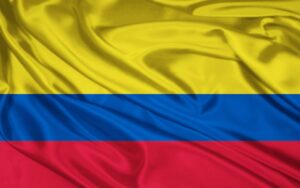
Colombia’s flag has three horizontal stripes: yellow on top (half of the flag), blue in the middle, and red at the bottom. Yellow represents Colombia’s richness and natural resources, blue symbolizes the seas, rivers, and sky and red stands for the courage and sacrifices in the nation’s history.
02
Capital City
The capital of Colombia is Bogotá, a high-altitude city known for its museums, food spots, and buzzing cultural scene. It was originally known as “Santa Fe de Bogotá” during the colonial period, when it served as the capital of the “Virreinato de la Nueva Granada”.
03
National Symbols
The Andean condor is Colombia’s national animal, symbolizing freedom and strength. The Cattleya Trianae orchid is the national flower, prized for its vibrant beauty, and the wax palm is the national tree, known for its towering presence in the Cocora Valley.
04
National Sport
Tejo is a traditional Colombian throwing game where players aim a small metal disc at a clay board with tiny paper targets that pop when hit. It has Indigenous origins and is now considered Colombia’s national sport. Today, it’s mostly a social activity people enjoy with friends, music, and snacks.
05
Language and Currency
Colombia’s official language is Spanish, spoken across all regions and used in government, education, and daily life. The country’s currency is the Colombian peso (COP), which you’ll see represented with the symbol $.
06
National Anthem and Motto
Colombia’s national anthem celebrates the country’s fight for freedom and unity, while its motto, Libertad y Orden (Liberty and Order), reflects the values that guide the nation. Together, they symbolize Colombia’s pride, resilience, and commitment to both freedom and harmony.