
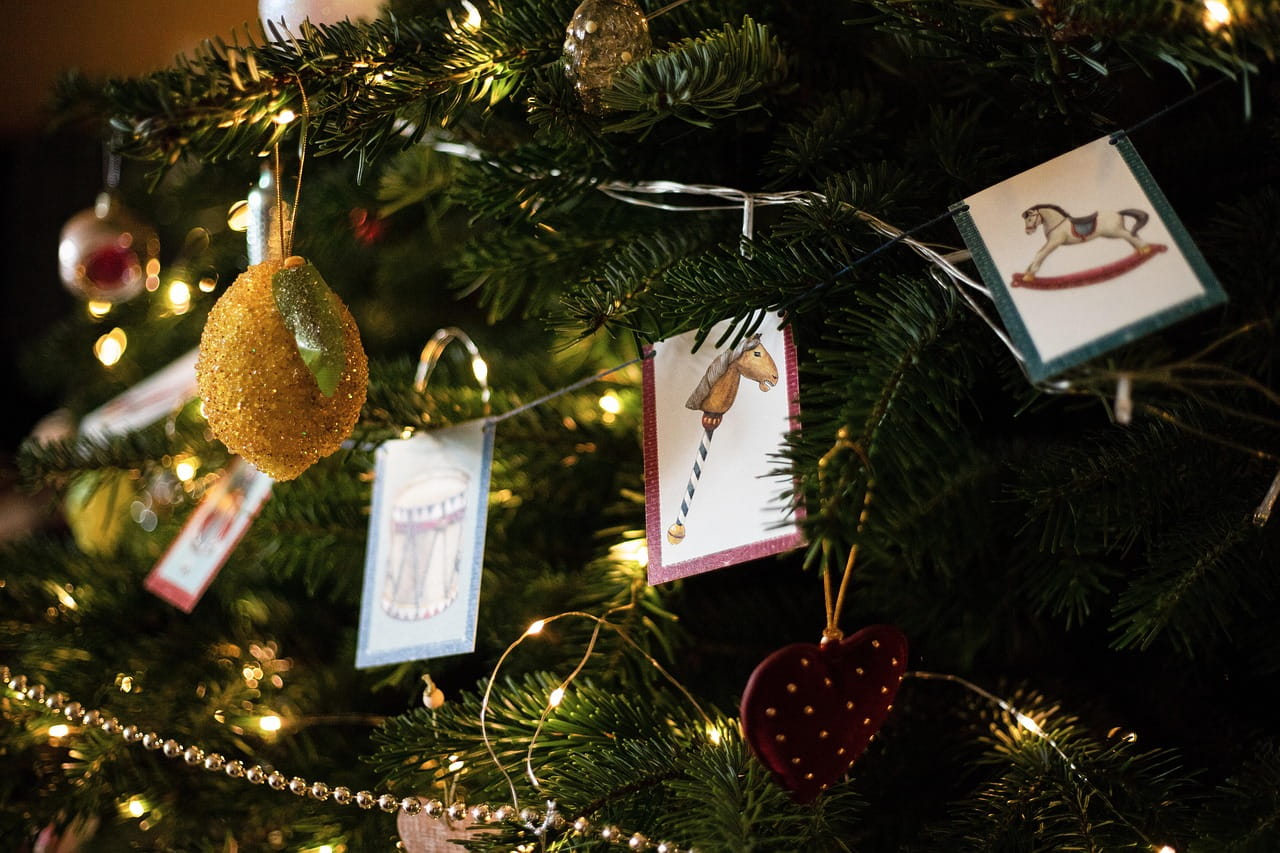
Christmas in Colombia is such a special time of the year. More than just a tradition, it’s about being together, gathering with family and friends, keeping each other company, sharing meals, laughing, and simply enjoying the moment. December feels warm in a way that goes beyond the weather, because everything is about connection, celebration, and joy.
Colombian Christmas really has a bit of everything. Lights, music, food, and local events all mix together to create a festive atmosphere that feels truly ours. It’s a celebration full of color, energy, and community spirit, something that instantly feels distinctively Colombian.
There are five key things that define a Colombian December and make the Christmas season so memorable and unique.
1. Traditional food
If you visit Colombia in December, prepare for a cultural deep dive into food. For Colombians, eating is the core of every family gathering, novena prayer, and reunion. We essentially spend the entire month celebrating around the dinner table.
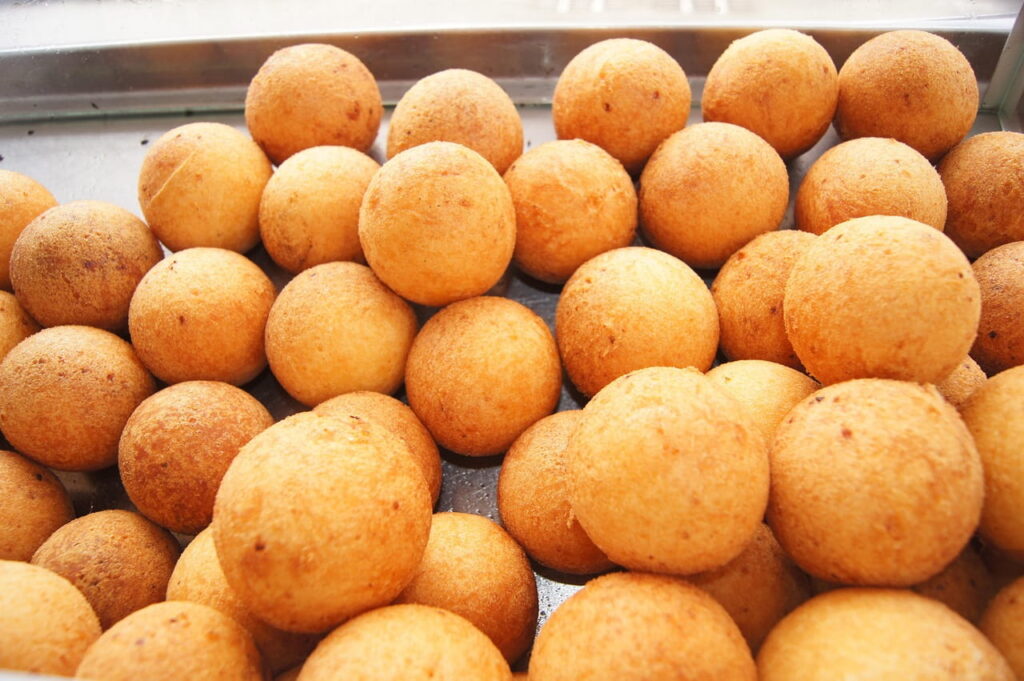
The iconic pairing that defines Colombian Christmas is the Natilla y Buñuelo. You will find these staples everywhere:
- The Buñuelo (as in the photo): A perfectly fried, golden, savory-sweet cheese fritter. Crispy on the outside, soft and chewy inside, this warm sphere is mandatory during the holidays.
- The Natilla: A rich, dense custard dessert, traditionally made with panela (cane sugar) and cinnamon, often with shredded coconut. It’s the comforting, sweet complement to the buñuelo.
While the Buñuelo and Natilla are the daily snacks, the main meals feature substantial traditional dishes:
- Pernil and Lechona: Slow-roasted pork specialties are often the centerpiece. Pernil (pork leg) is beautifully seasoned and slow-cooked. Lechona is a whole roasted pig stuffed with rice, peas, and spices (a regional favorite).
- Tamales: These celebrated corn dough packages, filled with meats and vegetables, and steamed in a plantain or banana leaf, are a flavorful holiday addition.
- Arroz con Pasas (Rice with Raisins): A sweet, buttery rice dish, this is a beloved side that always graces the Christmas and New Year’s Eve tables.
The abundance of food, often shared family-style and paired with a shot of the national liquor, Aguardiente, is the truest reflection of Colombia’s warm and communal Christmas spirit.
If you want to know more about this kind of food you can view the category Our Cuisine.
2. December 1st
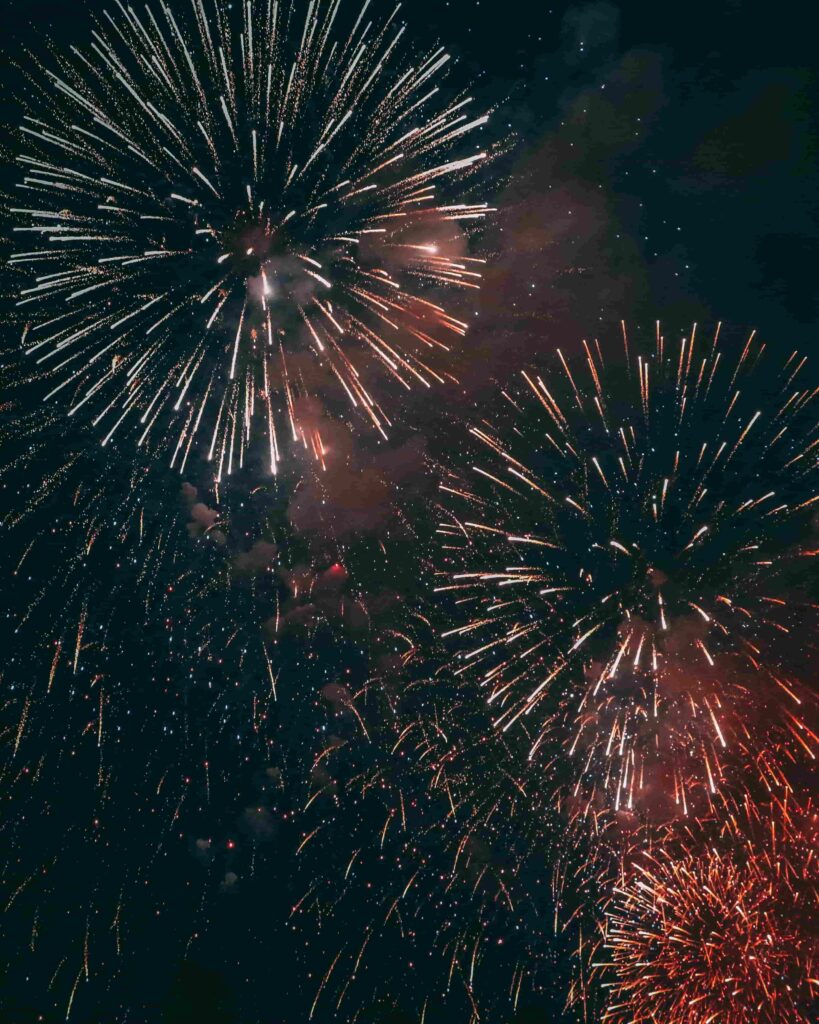
If you think Christmas starts slowly in Colombia, you are mistaken. The holidays don’t just ease in—they kick off with a literal bang! The official start to the Colombian Christmas season isn’t Black Friday or the day after Thanksgiving; it’s December 1st, marked by lights, fireworks, and palpable excitement.
December 1st is often the unofficial opening ceremony in many cities and homes. It’s the evening where neighborhoods collectively flip the switch and fully embrace the festive atmosphere.
- The Lights Go On: This is the night when the elaborate, often breathtaking, public and private lighting displays are formally inaugurated. Cities like Medellín and Bogotá compete to have the most incredible light installations, transforming parks, rivers, and avenues into massive, colorful spectacles.
- Fireworks and Celebration: Across the country, the arrival of December 1st is heralded with fireworks and pyrotechnics. The sky lights up as a spontaneous, widespread declaration that the biggest, most important holiday month of the year has finally arrived. The sound of explosions and the scent of gunpowder become the new soundtrack of the season.
Why such a spectacular entrance? For Colombians, the start of December marks the beginning of an extended season of community, faith, and family focus. The lights and fireworks are more than just decoration; they symbolize:
- Community Unity: The collective effort to illuminate neighborhoods and towns reinforces communal bonds.
- Joy and Anticipation: It signals the countdown to Christmas Eve and New Year’s, generating powerful excitement.
- The Start of the Novena: It preps the mood for the Novena de Aguinaldos (the nine-day prayer celebration leading up to Christmas), which usually begins on December 16th.
December 1st is the moment when the whole country shifts gears. It is your cue to put up your decorations, start buying buñuelos, and get ready for a month full of food, faith, and fun.
3. “Velitas” day
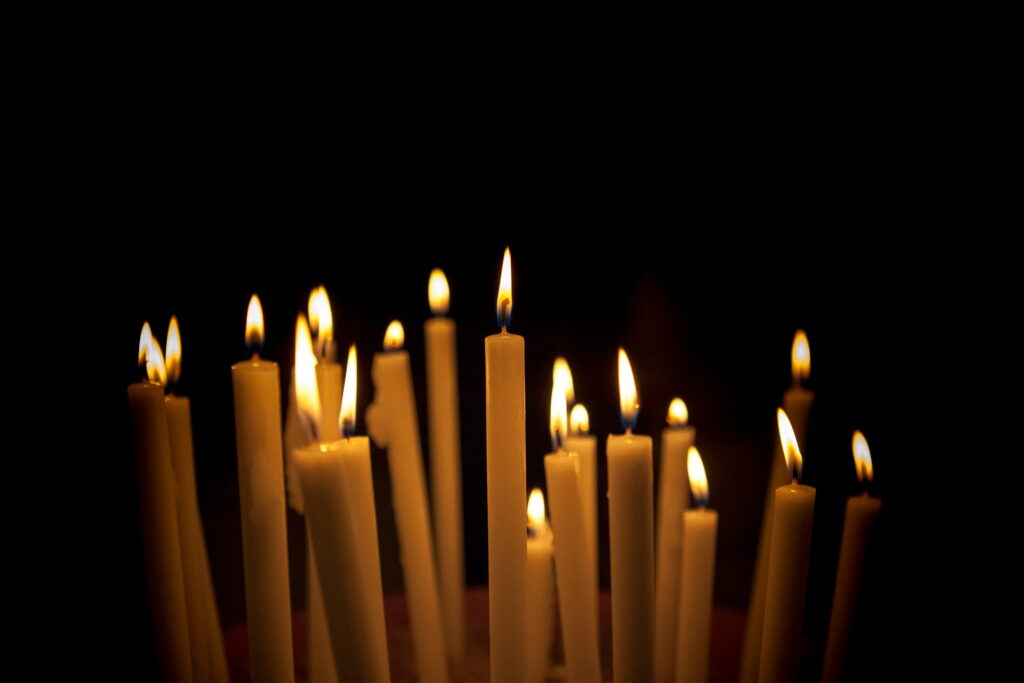
If the start of December is marked by big, loud fireworks, the real spiritual and communal start to the season comes a few days later with the Día de las Velitas (Day of the Candles). This beautiful tradition, observed on the night of December 7th leading into the 8th, is easily one of the most magical experiences you can have in Colombia.
The celebration honors the Catholic Feast of the Immaculate Conception, but the tradition has evolved into a uniquely Colombian social event. It transforms the country into a vast, twinkling spectacle where light is used to guide the path of the Virgin Mary and illuminate homes for the holidays. The atmosphere is unlike anything else:
- Candles Everywhere: Families light thousands of small candles (velitas) and paper lanterns (faroles) outside their homes—on sidewalks, balconies, and window sills. The arrangement is not uniform; it’s a spontaneous, organic display of light that glows throughout every neighborhood.
- A Communal Glow: The best part is the communal effort. Neighbors gather to light the candles, share hot drinks like Aguardiente or Canelazo, and, of course, enjoy the first serious servings of buñuelos and natilla. It’s a peaceful, mesmerizing evening focused on community, reflection, and setting intentions for the upcoming holiday season.
- A Symbol of Hope: Each small flame represents hope, faith, and wishes for the future. Walking through a Colombian street on this night is an unforgettable experience, as the warm glow bathes everything in a soft, festive light.
The tradition precedes the Feast of the Immaculate Conception, which is celebrated on December 8th. By lighting candles on the evening of the 7th, families are essentially welcoming and celebrating the start of the holiday dedicated to the Virgin Mary.
4. “Novenas”
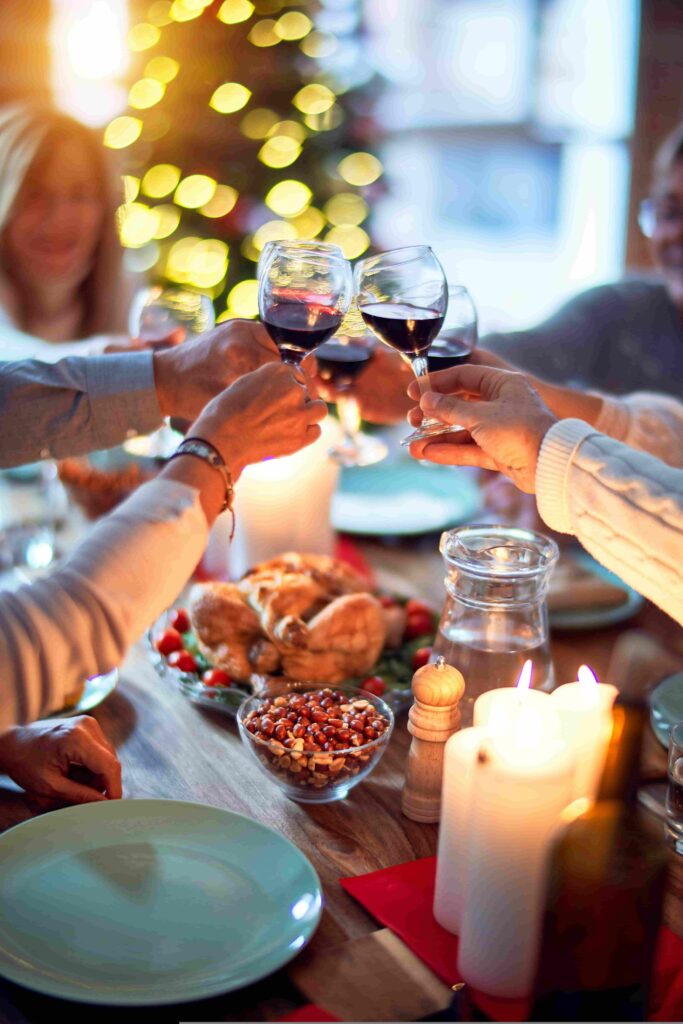
After the spectacular start marked by the lights of Día de las Velitas, the Christmas countdown truly begins with the Novena de Aguinaldos (Novena of Christmas Gifts). This tradition is arguably the most essential social element of the Colombian holiday season, spanning nine nights of prayer, music, and community.
The Novena is a set of prayers and hymns celebrated for nine consecutive nights, from December 16th to December 24th, leading up to Christmas Eve. It commemorates the journey of Mary and Joseph and the anticipation of Jesus’s birth.
However, in Colombia, the Novena is far more than just a religious ceremony; it’s a non-stop, daily social event:
- Rotating Hosts: Families, friends, and even co-workers take turns hosting the nightly Novena. This means you are likely attending a different gathering every night for nine days straight!
- The Ritual: Each Novena follows a specific order: scripture readings, reflection, and the traditional set of prayers.
- The Music: The best part? The villancicos (Christmas carols)! After the prayers are finished, everyone grabs a maraca or a tambourine and belts out classic Colombian carols, turning the religious ritual into a joyous party.
While the prayer is the center, the food and socializing are the main attraction for many. Since these gatherings happen daily, they become the central hub of holiday socializing.
- More Buñuelos and Natilla: If you thought you were done with the buñuelos and natilla after Velitas, think again! They are the required centerpiece of the Novena table. Expect plenty of sweets, hot chocolate, and Aguardiente to keep the party going.
- A Family Focus: This tradition beautifully ties together multiple generations. Grandparents lead the prayers, while children actively participate in the singing and the fun. It’s a wonderful example of Colombian family bonds in action.
5. Christmas, December 24th
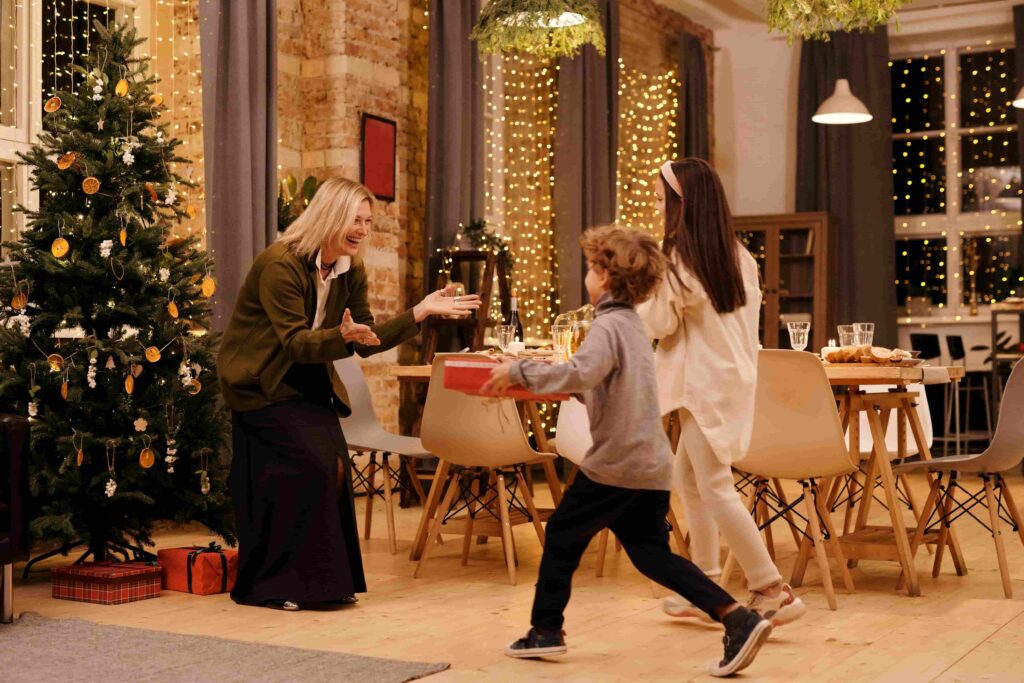
We’ve feasted on buñuelos, lit up the streets for Velitas, and sung our hearts out for nine straight nights during the Novena. Now, all those traditions culminate in the biggest night of the year: Christmas Eve (Nochebuena) on December 24th!
The day revolves entirely around the Cena Navideña, the spectacular Christmas dinner. This is where families pull out all the stops, preparing the most elaborate and traditional dishes (remember those pernil and tamales we talked about?).
Unlike the quick snacks of the Novena, the Christmas Eve meal is a serious, often multi-course affair. The family gathers around the table, often late in the evening, to share this meal. It’s a moment of immense gratitude, delicious food, and lively conversation that often stretches for hours.
In Colombia, Santa Claus (or Papá Noel) might make an appearance, but the primary tradition is that gifts are opened at midnight, right as December 25th officially begins.
- The Wait: The energy is electric. The kids wait anxiously through dinner and the final Novena prayer.
- The Moment: As the clock strikes 12:00 AM, the atmosphere explodes into chaos and excitement as presents are finally distributed and unwrapped.
- The Party: After the gifts, the celebration continues well into the early morning. Music, dancing, and general merriment carry on for hours. It’s not uncommon for the party to wind down only after sunrise, making Christmas Day (December 25th) a much more relaxed day of rest, leftovers, and visiting extended family.
Nochebuena captures the true essence of Colombian culture: a perfect blend of family devotion, communal joy, and spectacular festivity. If you’re here, prepare to dance until dawn!
Leave a Reply