
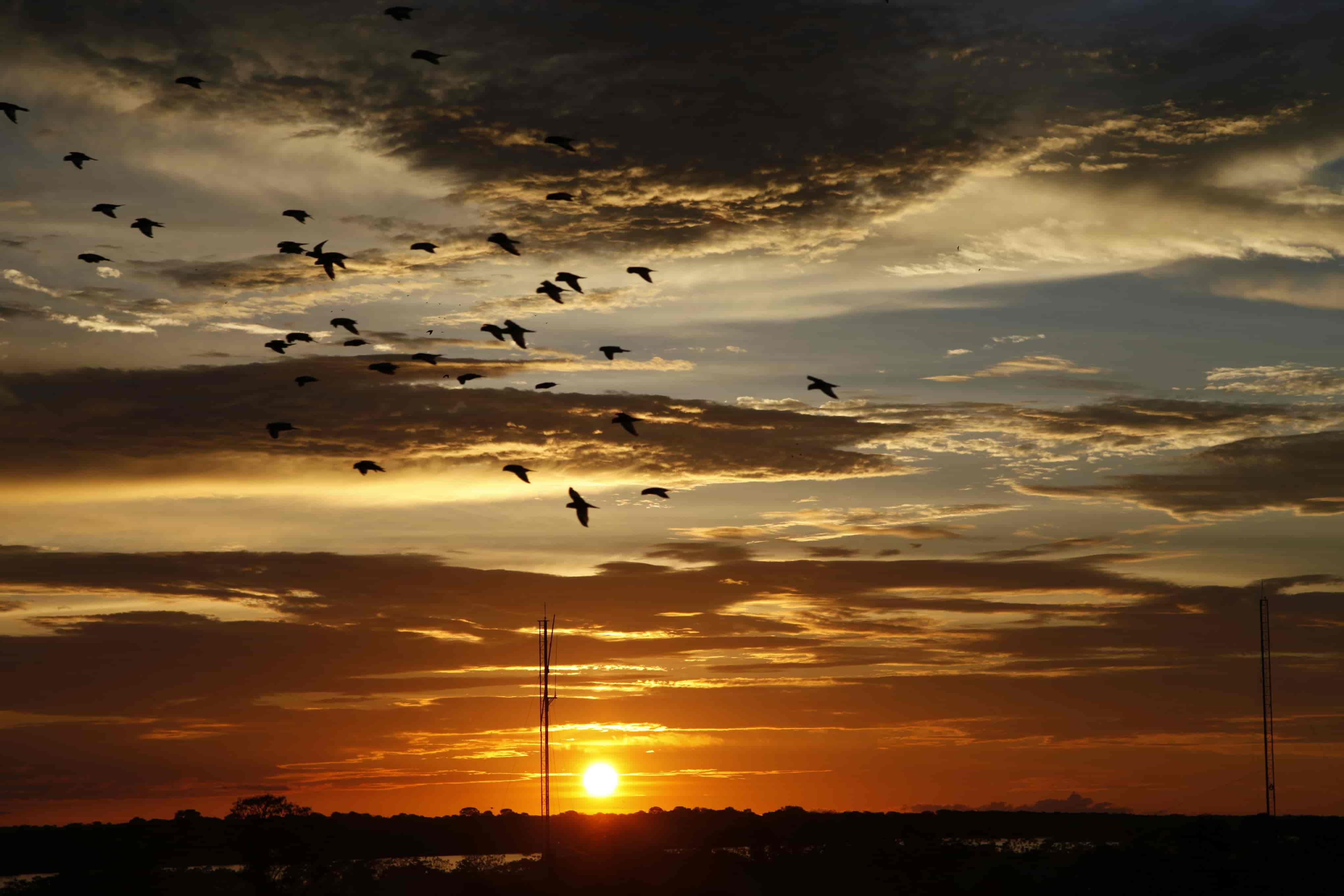
The Amazon Region is one of Colombia’s most remote and biodiverse areas. It is dominated by dense rainforest, wide rivers, and Indigenous territories that play a key role in preserving the ecosystem. This region is known for its wildlife, unique landscapes, and strong connection to nature, offering experiences that are very different from Colombia’s main cities. Traveling through the Amazon usually involves river transport, guided tours, and respectful interaction with local communities, making it an ideal destination for travelers interested in nature, sustainability, and cultural exchange.
Here are my top 5 places to visit in Colombia’s Amazon Region. These destinations highlight the natural diversity of the area, from riverside towns and protected national parks to wildlife rich lakes and Indigenous communities. Each place offers a different way to experience the Amazon, whether through nature, culture, or sustainable travel experiences.
1. San José del Guaviare
San José del Guaviare is a unique transition zone. Geologically, it sits on the edge of the Guiana Shield (the oldest rock formations in the world). Historically, it was once a “red zone” off-limits to tourists, but today it has transformed into a peaceful mecca for eco-travelers. The town itself is a bustling outpost where you can find local markets selling exotic fruits like Arazá and Copoazú.
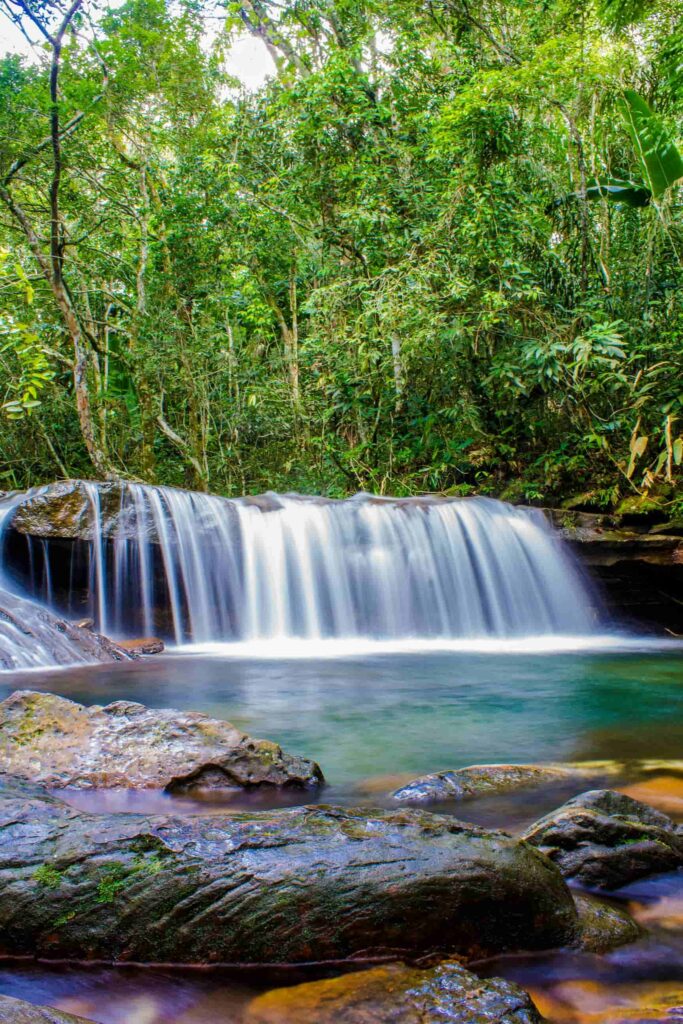
San José del Guaviare is an adventurer’s playground where history and nature collide. To help you plan your trip, here are the absolute best places you should visit around this ancient frontier:
This is a massive tepuy (flat-top mountain) rising from the jungle. The walls are covered in ochre-colored pictograms that have survived for over 12,000 years. Unlike a museum, here you are standing right in front of the art in the open air, surrounded by the same jungle those ancient artists lived in.
Fun fact: The ink was made from mineral pigments mixed with animal fat. It is so durable that the paintings remain vibrant despite thousands of years of tropical rain and humidity!
A colossal rock structure measuring about 12 meters high, featuring two cavernous holes formed by millennia of erosion. The surrounding area, known as the “Stone Forest,” is filled with labyrinthine passages and rare vegetation.
Fun fact: It’s a celestial masterpiece; every December, the Orion constellation aligns perfectly through the upper hole of the rock, looking like a glowing eye in the sky.
2. Puerto Nariño
Located 80km upriver from Leticia, Puerto Nariño is an architectural and social marvel. It is inhabited mostly by the Tikuna, Yagua, and Cocama indigenous groups. The town has no cars, no motorcycles, and a strict “no-trash” policy. It’s so quiet that you can hear the wings of macaws flying overhead from blocks away.
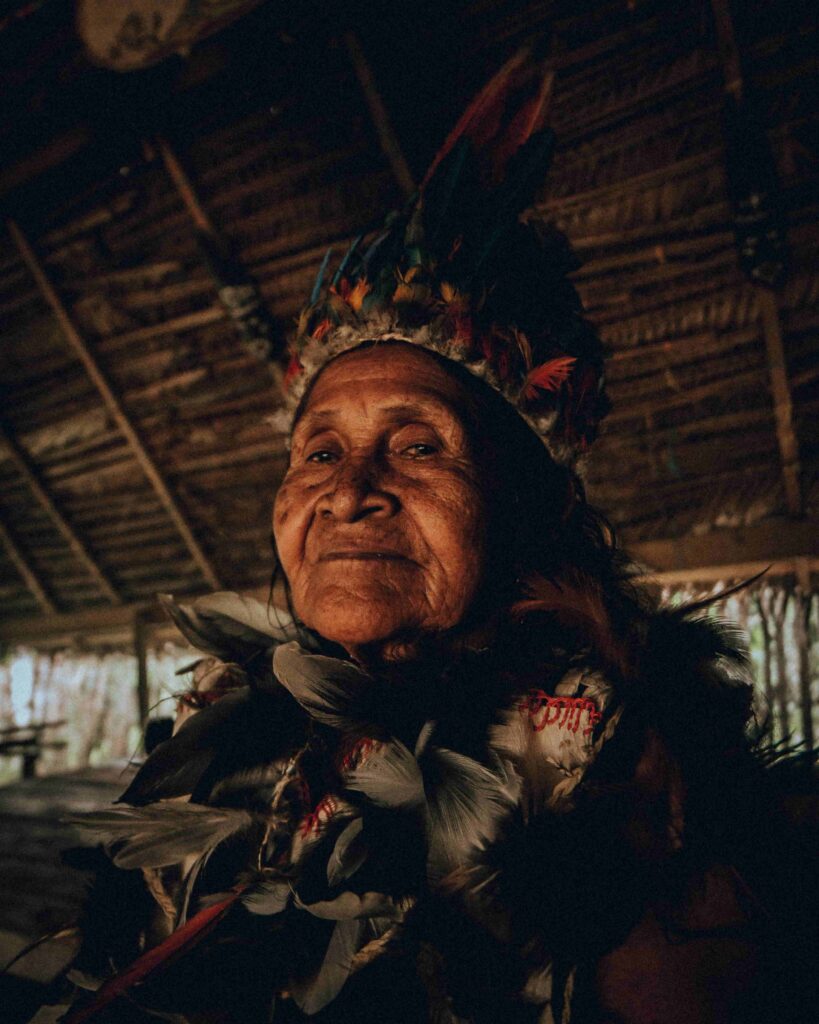
This peaceful, car-free village is the perfect base for exploring the deep jungle. If you want to experience the magic of the river, these are the top-rated spots you can’t miss while staying here:
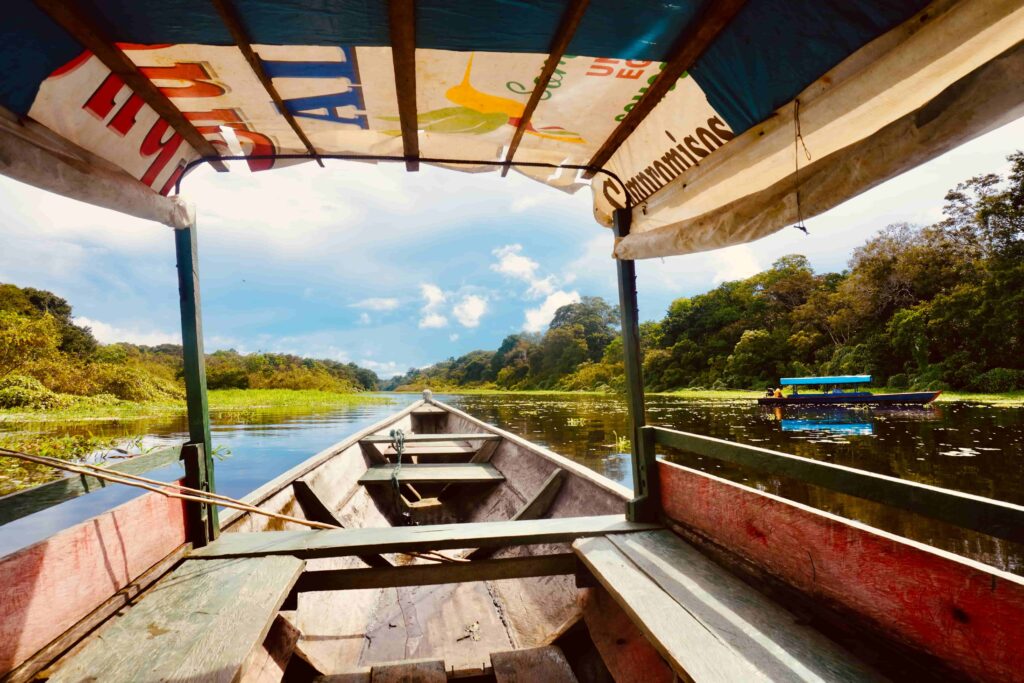
This RAMSAR-protected wetland system is a sanctuary for biodiversity. During the high-water season, the forest floods (creating the Igapó), and you can boat through the treetops. It is the primary feeding ground for the Amazon River Dolphin.
Fun fact: The “Black Water” of the lake is actually highly acidic and filled with tannins from decaying leaves. This acts as a natural mosquito repellent, you’ll notice far fewer bugs at Tarapoto than on the main Amazon River!
This isn’t just a museum; it’s a community-led education center. Since the Amazon river is so sediment-heavy (you can’t see more than a few inches underwater), the foundation created life-sized wood carvings of the creatures that live below, manatees, giant turtles, and dolphins, to teach conservation.
Fun fact: All the guides at Natutama are former hunters or fishermen from the local community who decided to switch from exploiting the river to protecting it.
3. Mocoa
Mocoa is the capital of Putumayo. Because it sits at the foot of the mountains, the air is fresher and the water is clearer than in the deep lowlands. It is a city defined by resilience and its connection to “Ancestral Medicine” (Yagé or Ayahuasca).
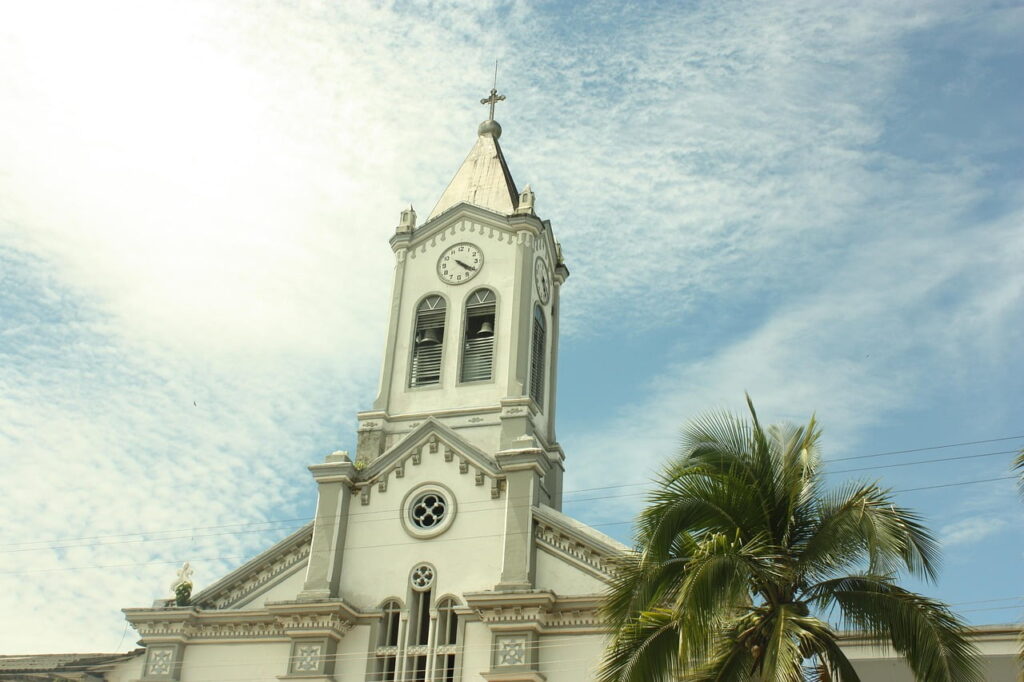
Mocoa is a hidden gem where the Andes meet the Amazon, creating spectacular water landscapes. Here are the most iconic and beautiful sites to visit in this lush, green paradise:
The hike to this waterfall is as famous as the fall itself. You trek through a dense forest, crossing the “Pozo Almuerzo” (Lunch Pool) where you can swim in emerald water. The trail ends abruptly at a cliff where the river simply disappears into a 75-meter void, overlooking a sea of green trees.
Fun fact: Despite its name, locals find the place incredibly peaceful. There is a small “rock bridge” right at the edge of the fall where you can lie down and look straight over the drop, if you have the courage!
This center functions as a wildlife rehabilitation hospital. You can see jaguars, tapirs, and primates that were rescued from illegal trafficking. It also features a “Botanical Garden of Medicinal Plants” where you can learn about the plants used by Shamans for centuries.
Fun fact: The CEA is home to the Surucúa, a bird known as the “Amazonian Trogon.” It is so sensitive to the environment that it serves as a “bio-indicator”; if the Surucúa is singing and healthy, it means the entire surrounding ecosystem is perfectly balanced.
4. Inírida
Inírida is the capital of Guainía. It is a land of “Fluted Rivers” where the water is the color of dark tea. It’s a very remote town where most people move by “pongo” (small motorboats). The culture is heavily influenced by the Curripaco and Puinave tribes.
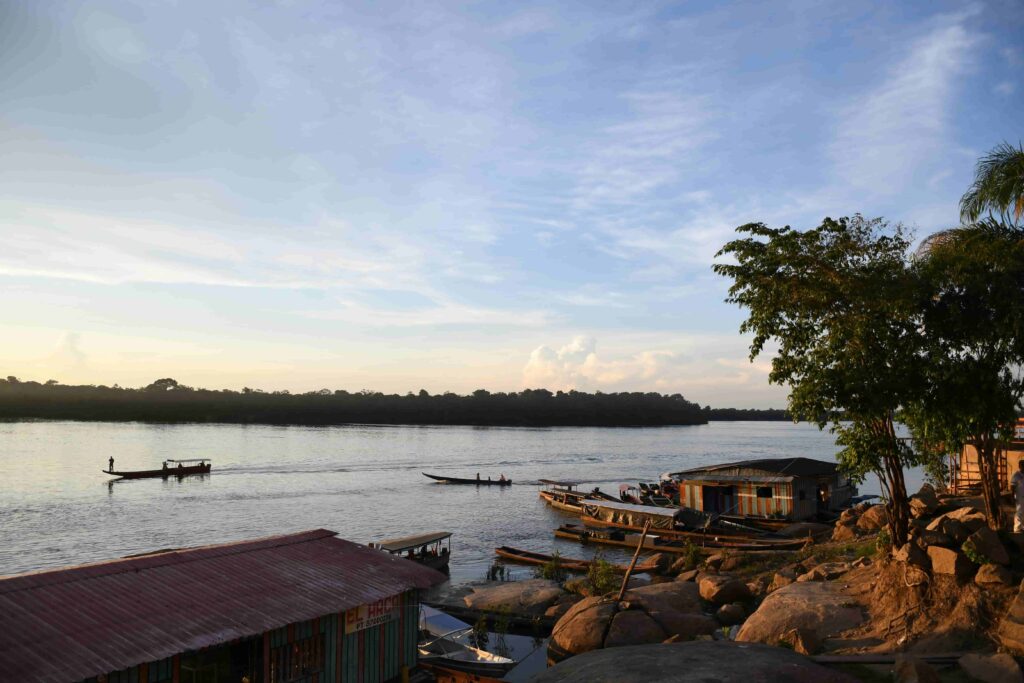
Inírida is a land of legends and ancient geological wonders that look like they belong on another planet. These are the must-visit landmarks that make this remote destination so unforgettable:
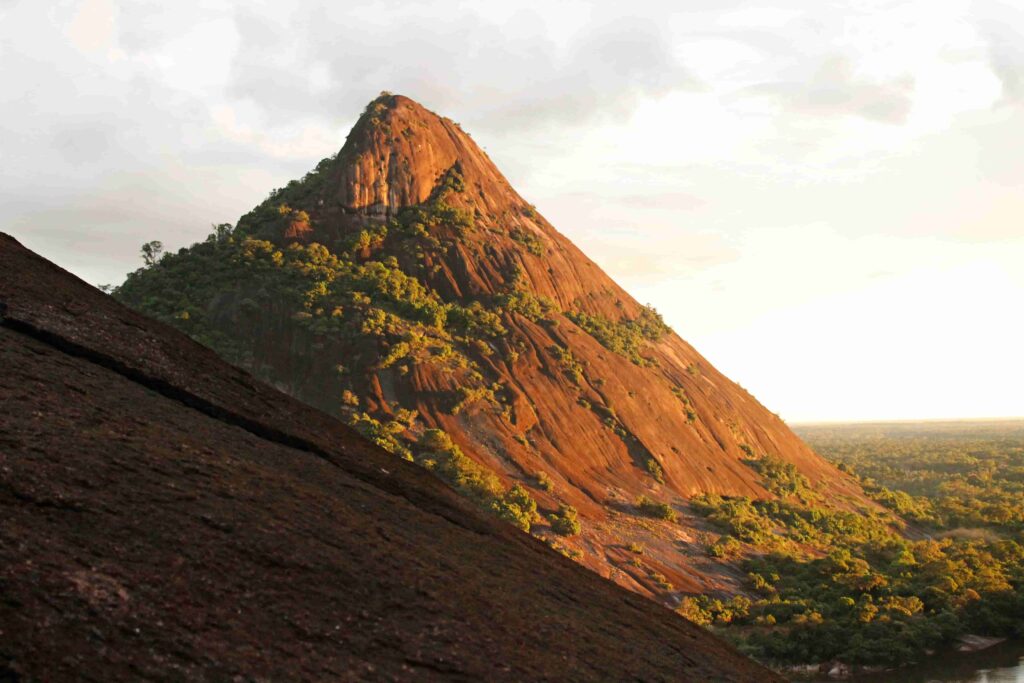
These three hills, Pajarito, Mono, and Mavicure; are massive leftovers of the earth’s crust. They are volcanic plugs of granite. The climb up Cerro Mavicure is steep and challenging, but once at the top, you see the Inírida River curving like a silver snake through a carpet of jungle that stretches into Venezuela.
Fun fact: These mountains became world-famous after featuring in the Oscar-nominated film Embrace of the Serpent. The local indigenous people believe the mountains are “houses of the gods” and that the wind whistling through the rocks is the gods speaking.
This flower is endemic, meaning it grows nowhere else on the planet except in this specific region of Colombia. It grows in white sand savannas and is incredibly hardy.
Fun fact: The flower is so resilient that it can survive both floods and fires. It is nicknamed the “Summer Flower” because it blooms most brilliantly during the harshest dry seasons when everything else is wilting.
5. Leticia
Leticia is the southernmost point of Colombia. It’s a vibrant, chaotic, and friendly city. Life here revolves around the river port. It’s a place where you hear Spanish, Portuguese, and indigenous languages like Tikuna all in the same conversation.
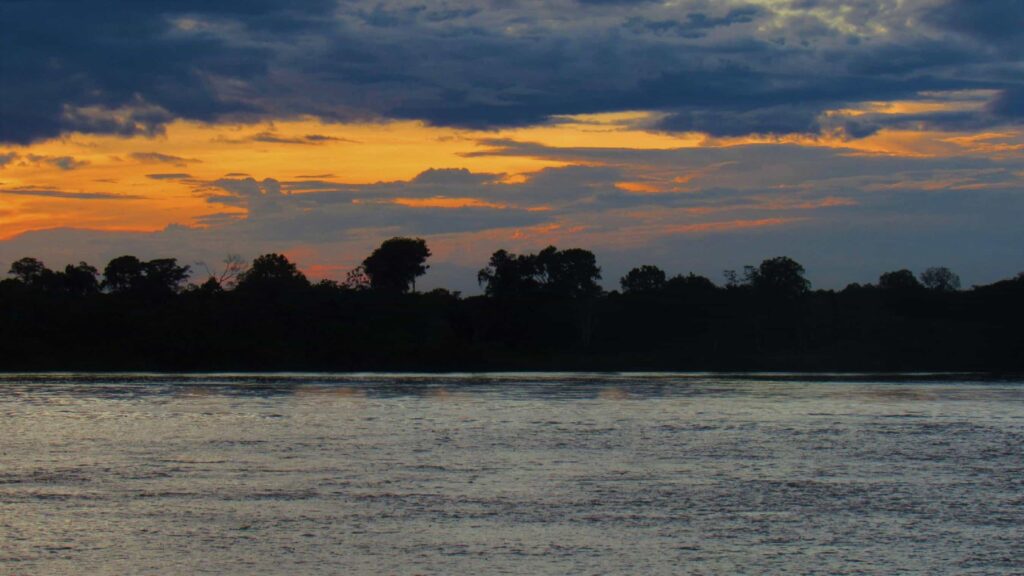
Leticia is the vibrant heartbeat of the Amazon and the gateway to the triple border. Here are the best things to see and experience right in and around the city before you head deeper into the wild:
Every single day, as the sun begins to set, the sky over Leticia turns black with clouds of White-winged Parakeets. They return from the jungle to sleep in the park’s trees because it’s safer from predators. The noise is a deafening, high-pitched roar of life.
Fun fact: For the best view, you can pay a small fee to climb the bell tower of the neighboring Cathedral. From there, you are at eye level with the thousands of birds as they dive into the trees.
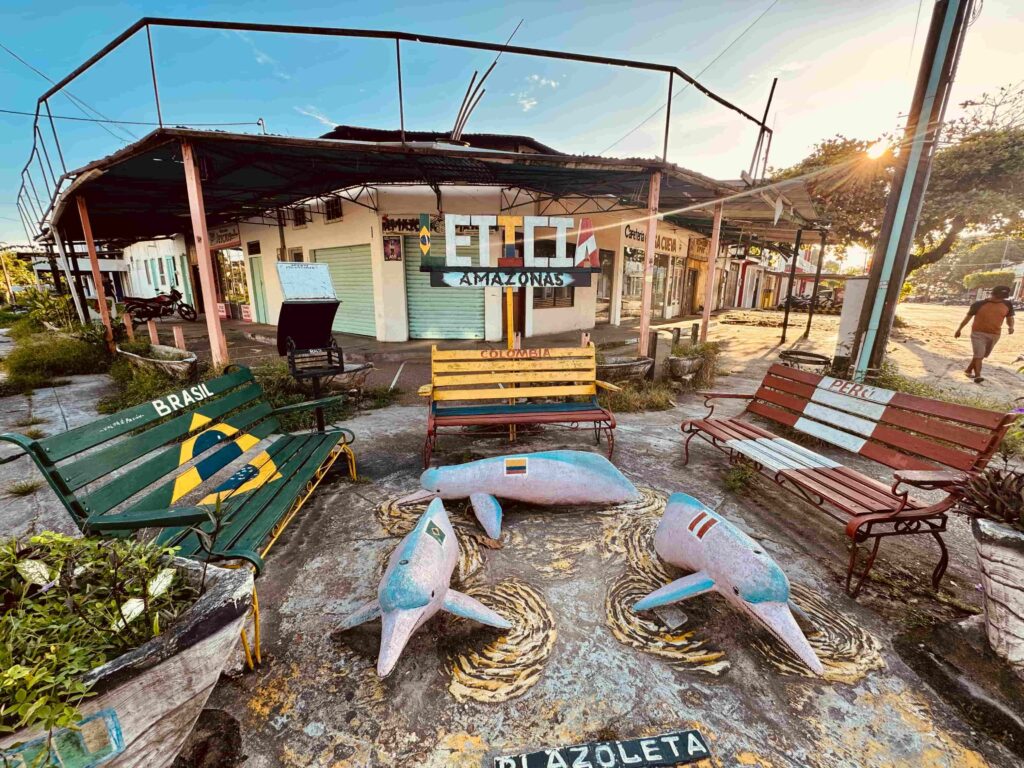
Leticia is physically attached to the Brazilian city of Tabatinga. There is no wall, no fence, and no guard, just a sign on a street. You can walk across the “border” to buy Brazilian coffee and then hop on a boat for $2 to the island of Santa Rosa, Peru, to eat authentic ceviche.
Fun fact: Because of this mix, people here speak “Portuñol”—a hybrid of Spanish and Portuguese. It’s common to see someone pay for a meal using three different currencies (Pesos, Reais, and Soles) in a single transaction!
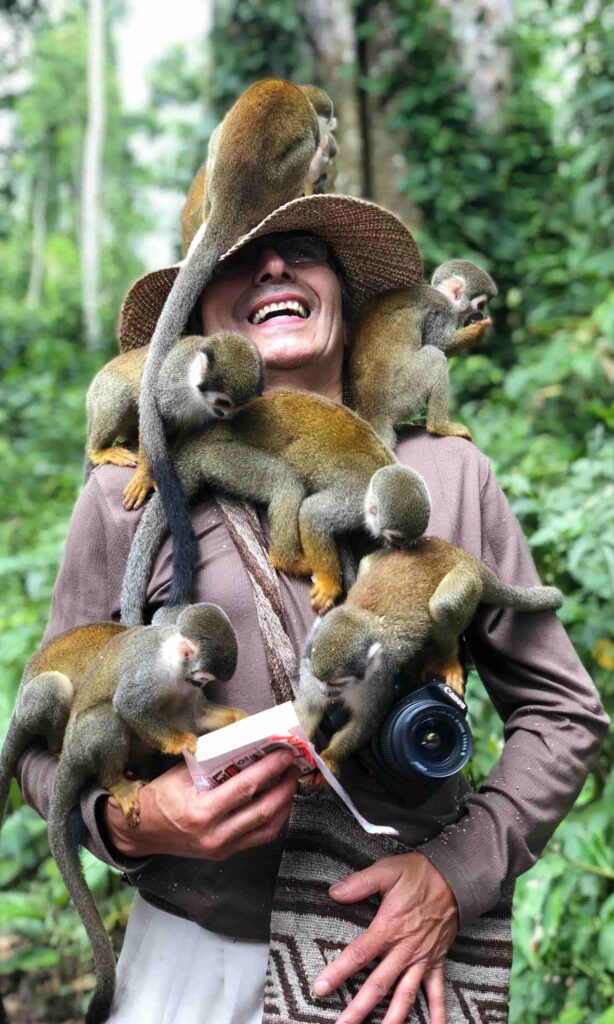
Located about 45 minutes by speedboat from Leticia, this island is a sanctuary for thousands of squirrel monkeys (Saimiri sciureus). It is one of the most famous experiences in the region, allowing visitors to walk through flooded forests and interact directly with these curious primates in their natural habitat.
Fun Fact: The monkeys are so smart and accustomed to visitors that the guides use a specific whistle to call them. Within seconds, dozens of monkeys will jump from the trees directly onto your shoulders and head to greet you!
Leave a Reply