

The Caribbean Region of Colombia is a vibrant explosion of color, rhythm, and history. Stretching along the northern coast, this region is where the golden sands of the desert meet the crystal-clear waters of the sea, all shadowed by the world’s highest coastal mountain range, the Sierra Nevada de Santa Marta. Known for its infectious Cumbia and Vallenato beats, colonial fortresses, and world-class beaches, the Caribbean coast is the soulful heart of Colombian tourism.
Here are my top 5 places to visit in Colombia’s Caribbean Region. These destinations highlight the coastal diversity of the area, from historic colonial cities and lush seaside national parks to crystalline island archipelagos and vast desert landscapes. Each place offers a different way to experience the Caribbean, whether through living history, untamed nature, or deep-rooted cultural and festive traditions.
1. Cartagena de Indias
Cartagena de Indias is a living museum founded in 1533 that once served as the primary port for Spanish gold and riches in South America. Enclosed by nearly 11 kilometers of ancient stone walls, this UNESCO World Heritage site is famous for its impeccably preserved colonial architecture, colorful mansions, and flowered balconies. Beyond the historic walls, the city expands into vibrant neighborhoods like Getsemaní and the modern, skyscraper-filled skyline of Bocagrande, blending deep historical roots with a trendy Caribbean energy. It is known as the “Heroic City” due to its legendary resistance against pirate sieges and colonial invasions throughout the centuries.
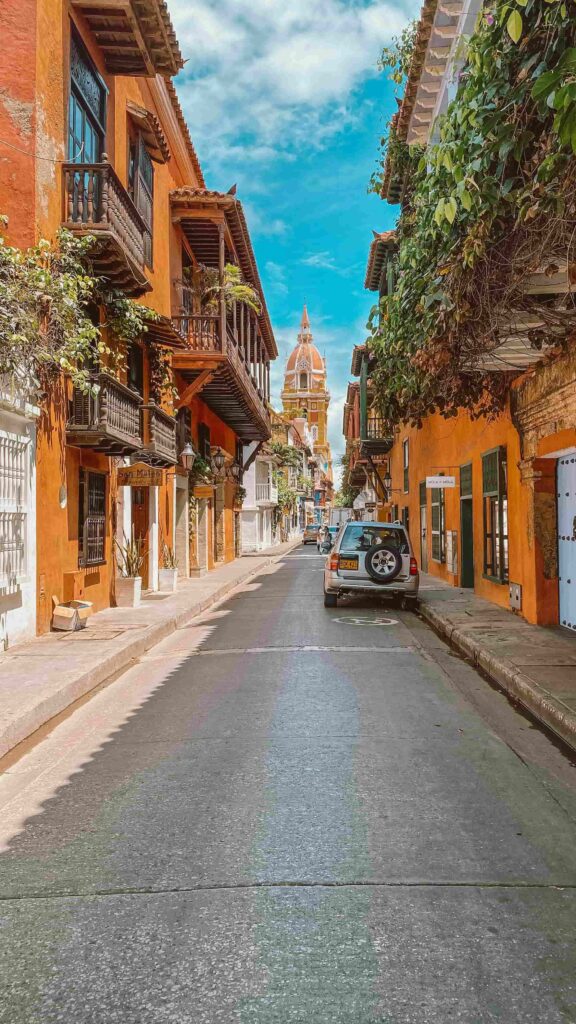
While this city is packed with hidden gems and cozy corners, there are a few iconic experiences that truly capture its essence. If you want to see the best of Cartagena, here are the top 3 activities you should prioritize:
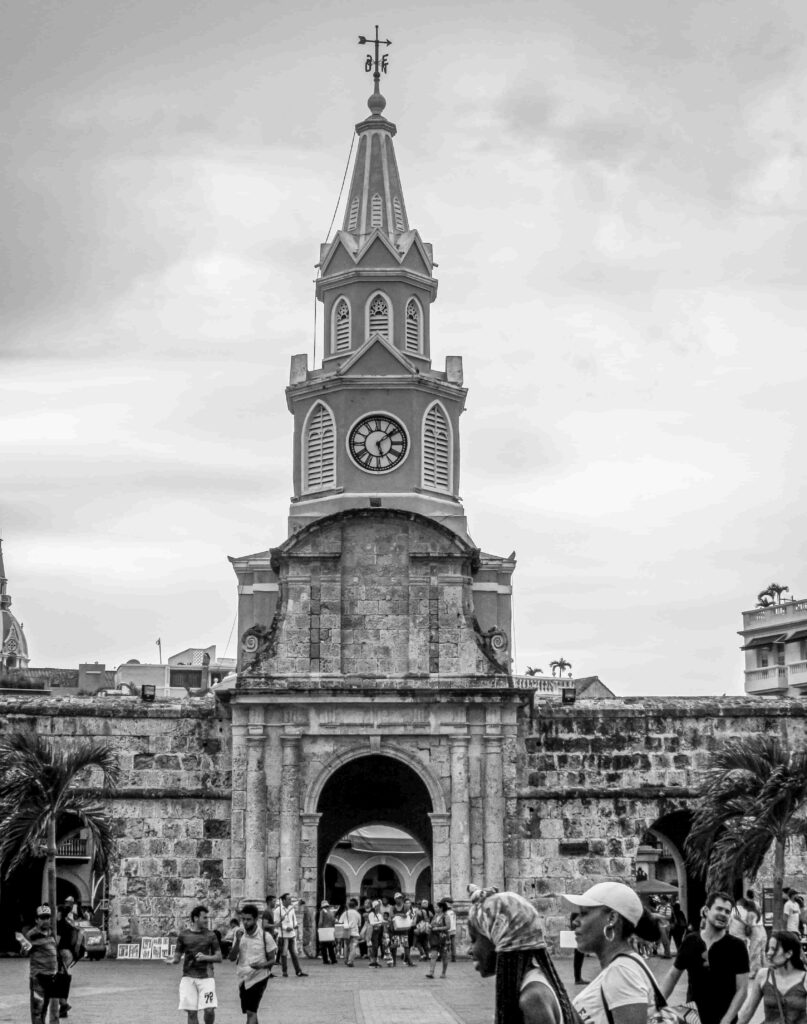
Walking through the “Corralito de Piedra” is like stepping into a painting. The streets are lined with colorful balconies dripping with bougainvillea. Nearby, the Getsemaní neighborhood offers a cooler, more local vibe with vibrant street art and plazas where people dance under the stars.
Fun fact: The size of the door knockers (aldabas) on the old houses used to indicate the social status and profession of the family living inside!
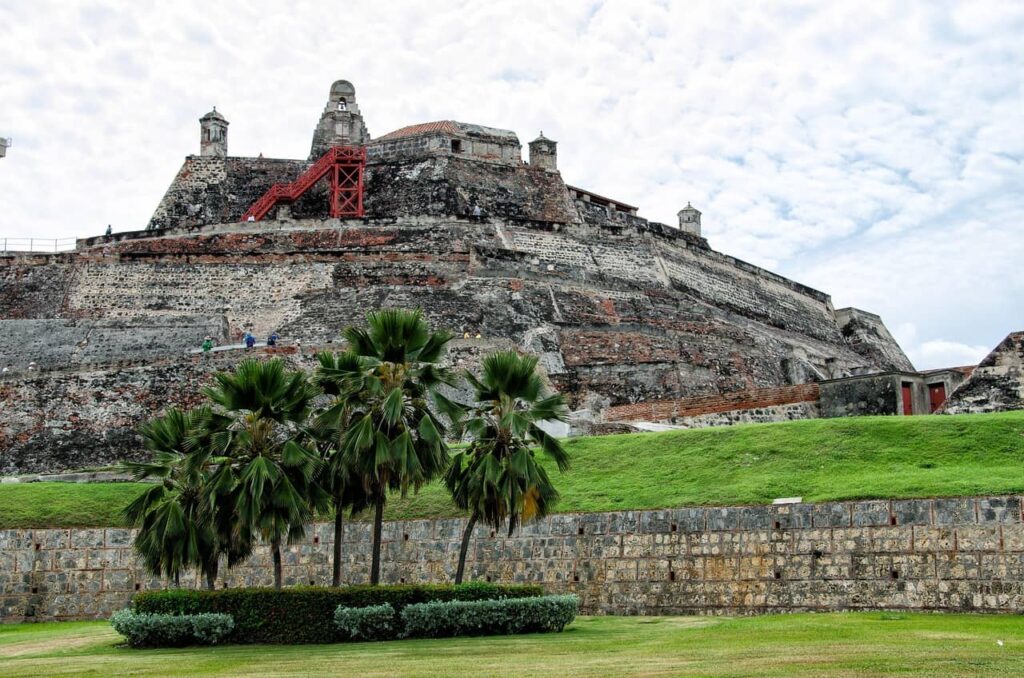
This is the most formidable fortress ever built by the Spanish in the Americas. It is a masterpiece of military engineering, designed to protect the city’s gold from pirate attacks. You can explore a complex system of underground tunnels that were once used for communication and defense.
Fun fact: The tunnels were designed so that even the slightest sound, like a footstep, would echo loudly, warning the guards of any intruders.
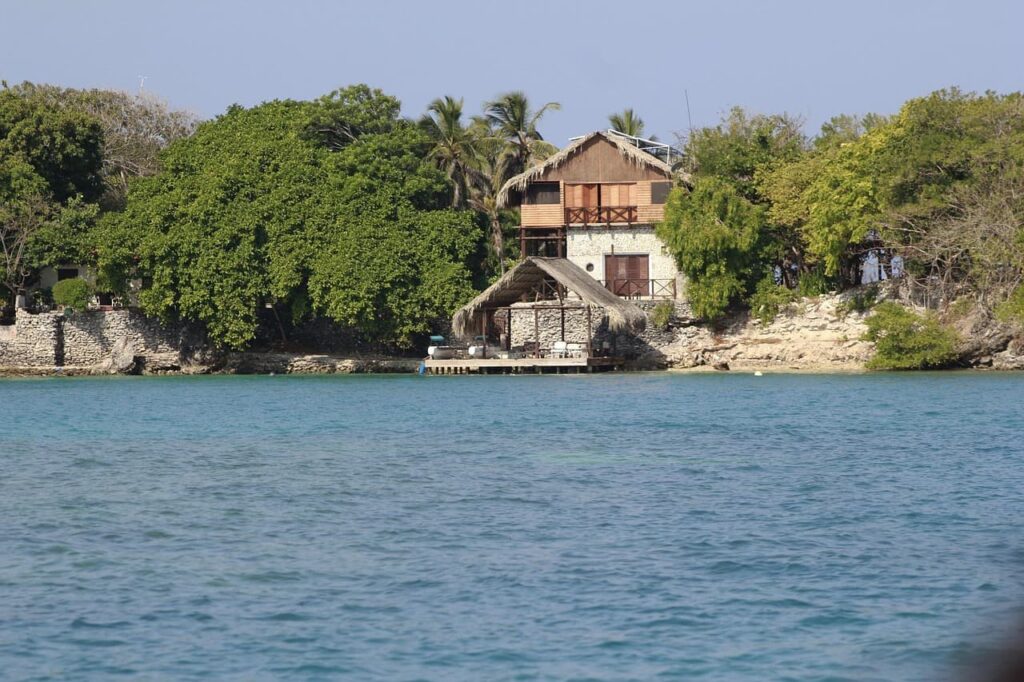
Just a short boat ride away, this archipelago of 27 islands is a tropical paradise. It is the perfect place to escape the heat of the city and swim in crystal-clear waters surrounded by coral reefs and mangroves.
Fun fact: In some parts of these islands, you can experience bioluminescent plankton at night, making the water glow like stars when you touch it.
2. Santa Marta and Tayrona
Founded in 1525, Santa Marta holds the title of the oldest surviving city in Colombia and serves as a sacred meeting point where the snow-capped Sierra Nevada mountains touch the Caribbean Sea. This destination is unique because it combines a charming colonial downtown and the Quinta de San Pedro Alejandrino, where Simón Bolívar passed away, with the untamed wilderness of Tayrona National Park. The region is home to several indigenous groups like the Kogi and Wiwa, who consider these lands the “Heart of the World.” Visitors come here to find a perfect balance between ancient archaeological sites, lush tropical jungles, and some of the most beautiful, secluded beaches in the country.
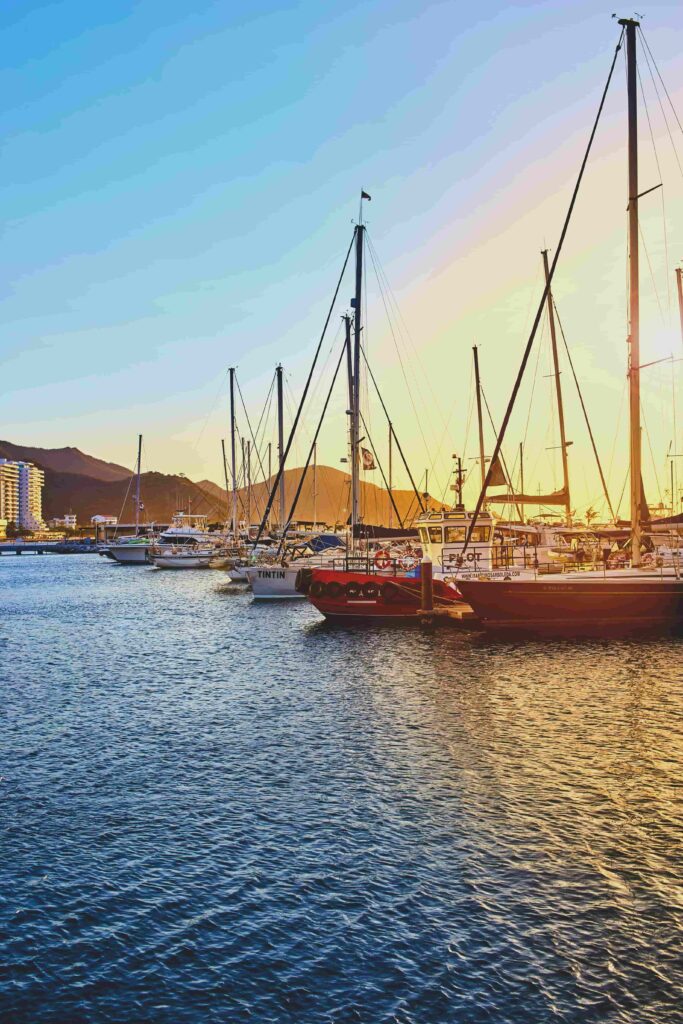
There is so much raw beauty to see here that it can be hard to choose where to go first. To help you narrow it down, these are the three must-do experiences for any nature lover visiting the area:
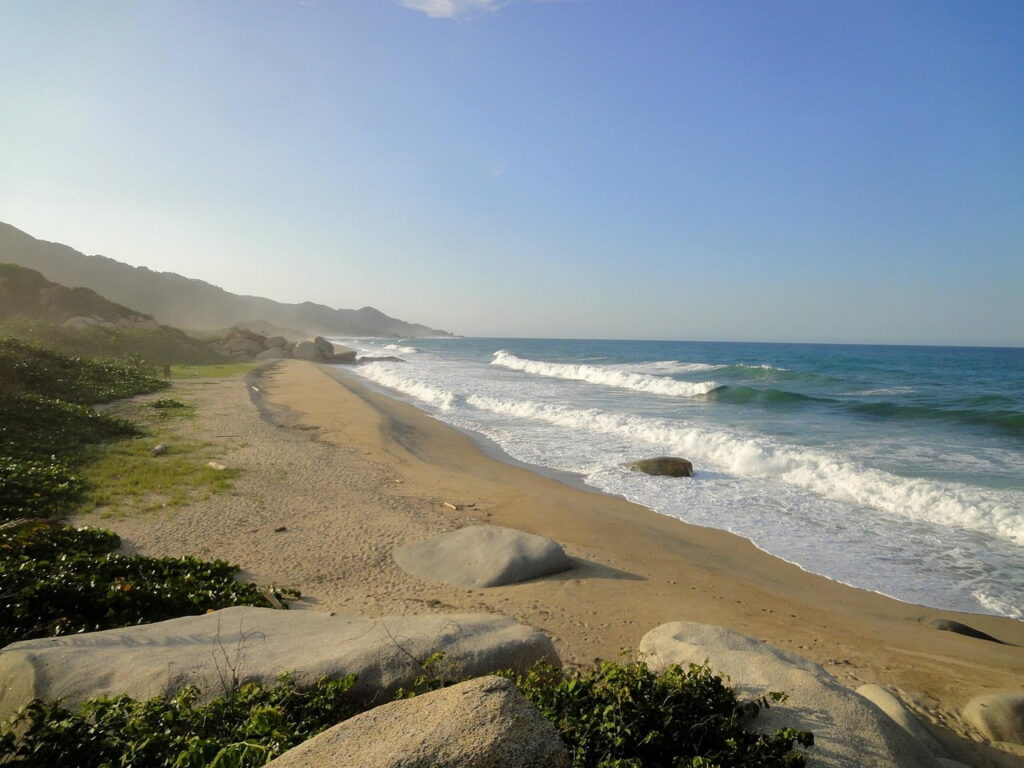
This is the most famous beach in Colombia. After a beautiful hike through the tropical forest, you reach a bay with golden sand and giant volcanic rocks. It is sacred land for the indigenous communities of the Sierra.
Fun fact: Despite being a popular beach, Jaguars actually live within the park’s jungle, though they are very shy and rarely seen by tourists.
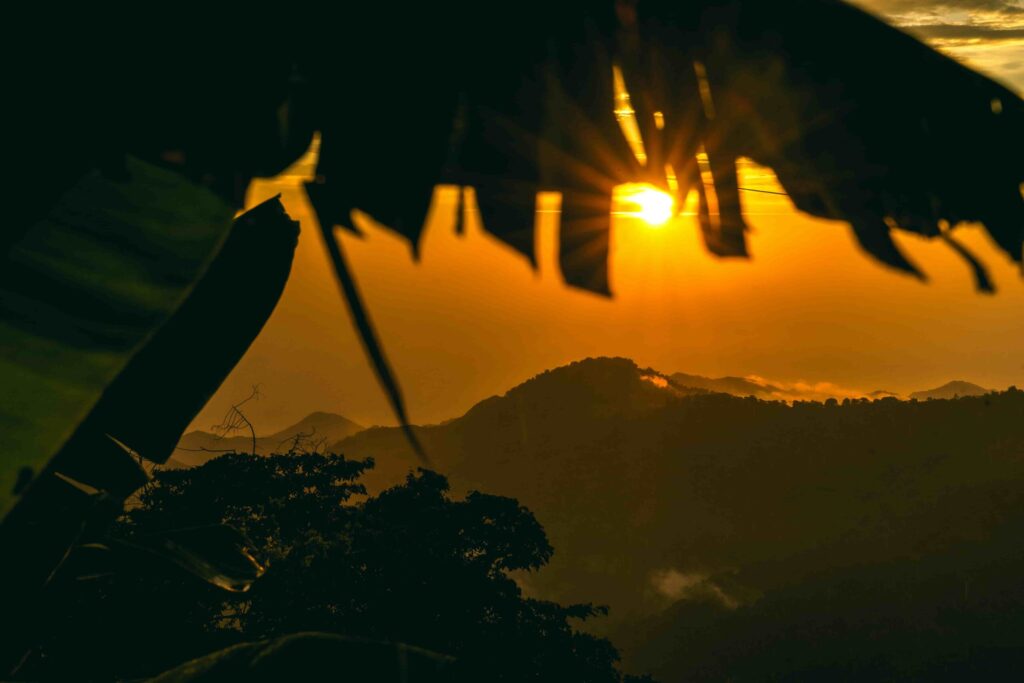
Located in the mountains just above the heat of the coast, Minca is a coffee-growing village known for its cool climate and birdwatching. It’s the perfect place to relax in a giant hammock overlooking the mountains or swim in the Marinka waterfalls.
Fun fact: Minca is home to the “world’s largest hammock,” where you can lay back and see the sunset over the distant ocean.
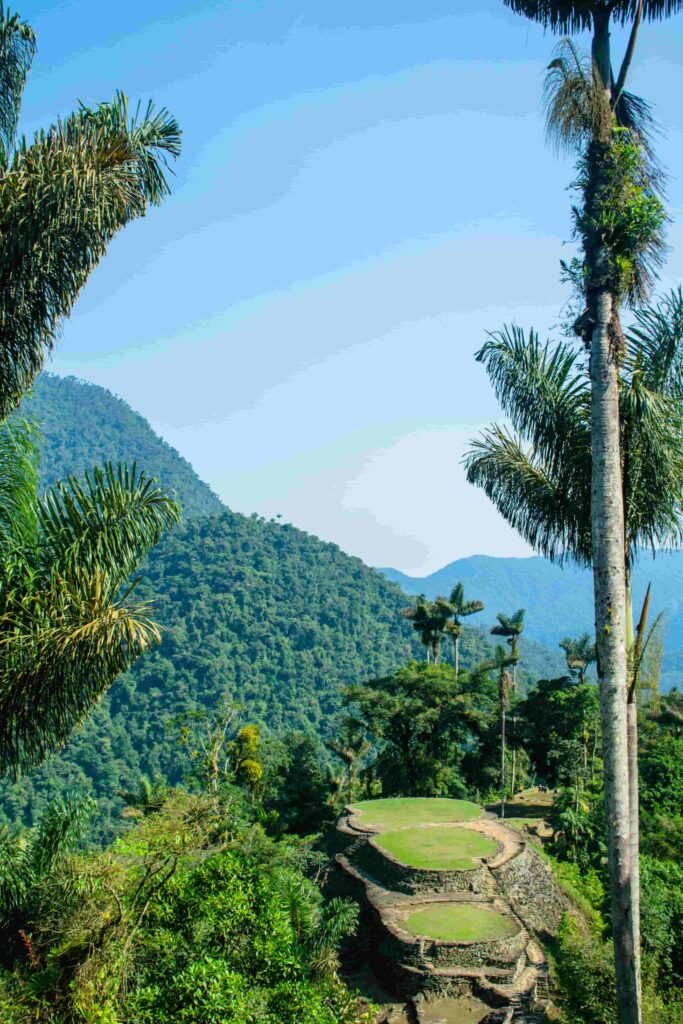
Often called the “Machu Picchu of Colombia,” this ancient archaeological site was built by the Tayrona people around 800 AD. Reaching it requires a multi-day trek through the jungle, making it a true adventure.
Fun fact: Only about 10% of the Lost City has been uncovered; the rest remains hidden under the thick jungle growth.
3. Barranquilla
Known as the “Golden Gate of Colombia,” Barranquilla is a vibrant port city strategically located where the Magdalena River meets the Caribbean Sea. Unlike its colonial neighbors, Barranquilla’s history is defined by its role as a massive immigration hub, which created a unique cultural melting pot of Middle Eastern, European, and African influences. This mix gave birth to the Barranquilla Carnival, the second-largest in the world and a UNESCO Intangible Cultural Heritage of Humanity. Today, the city is a bustling metropolis that features modern riverfront developments, grand republican-style architecture, and a festive spirit that makes it the true musical soul of the coast.
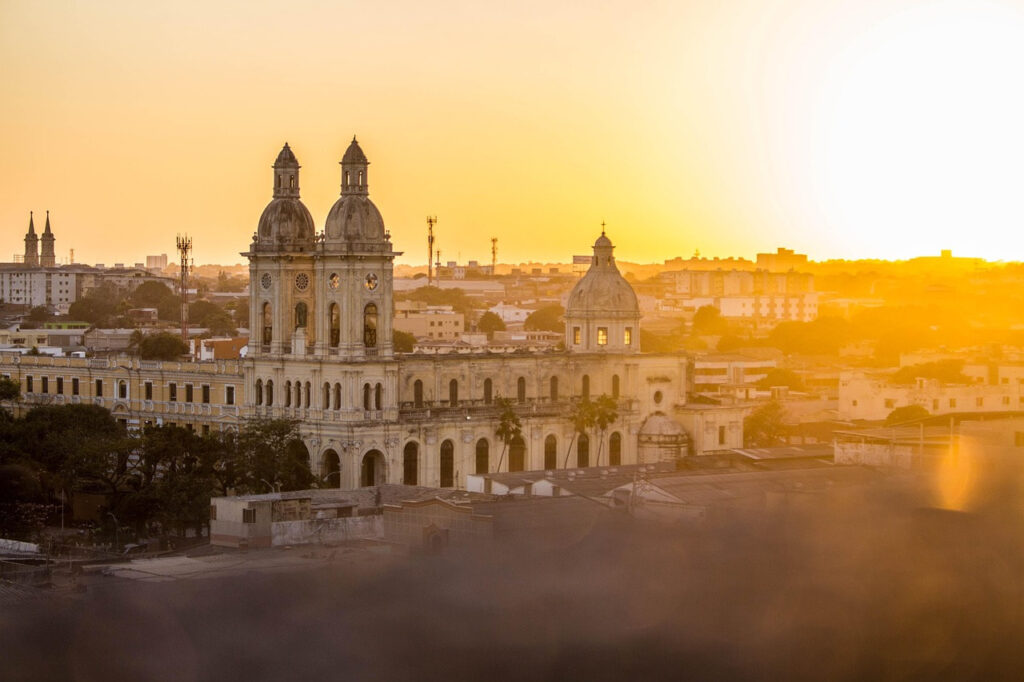
You might think Barranquilla is just for business, but it actually has incredible spots that celebrate the joy of the Caribbean. Here are the top 3 things you have to see to understand the city’s spirit:
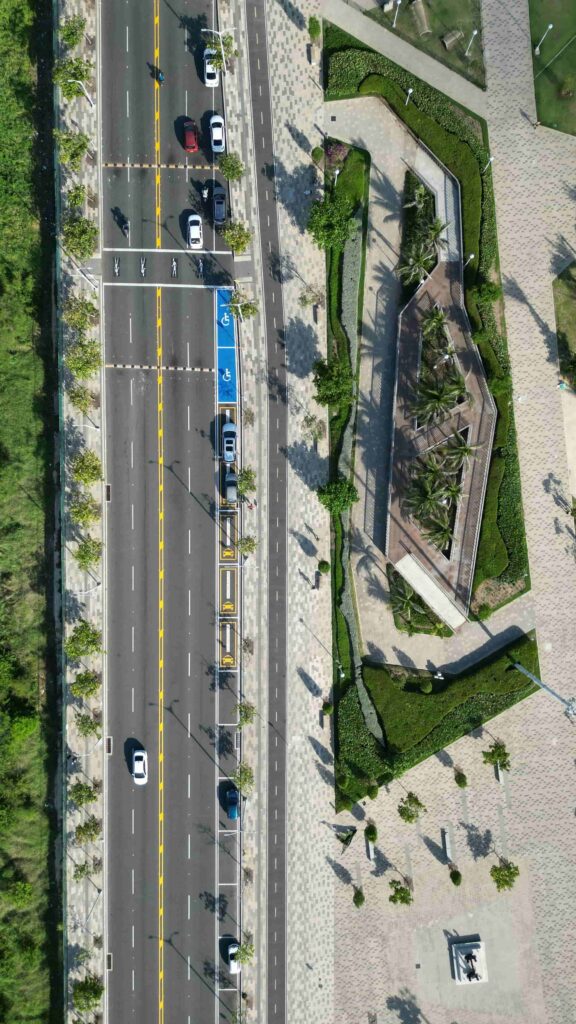
This is Colombia’s most-visited tourist site. It is a massive, beautiful boardwalk along the Magdalena River where families gather to eat, exercise, and enjoy the breeze from the most important river in the country.
Fun fact: The Magdalena River is so powerful that it carries sediment all the way into the ocean, which is why the sea near Barranquilla is often brown rather than blue.
Since the Carnival only happens once a year, this museum is the best place to experience the magic year-round. It showcases the masks, costumes, and history of this UNESCO-protected festival.
Fun fact: One of the main characters of the Carnival, the Marimonda, was originally created as a way for the poor to make fun of the elite by wearing a silly, long-nosed mask.
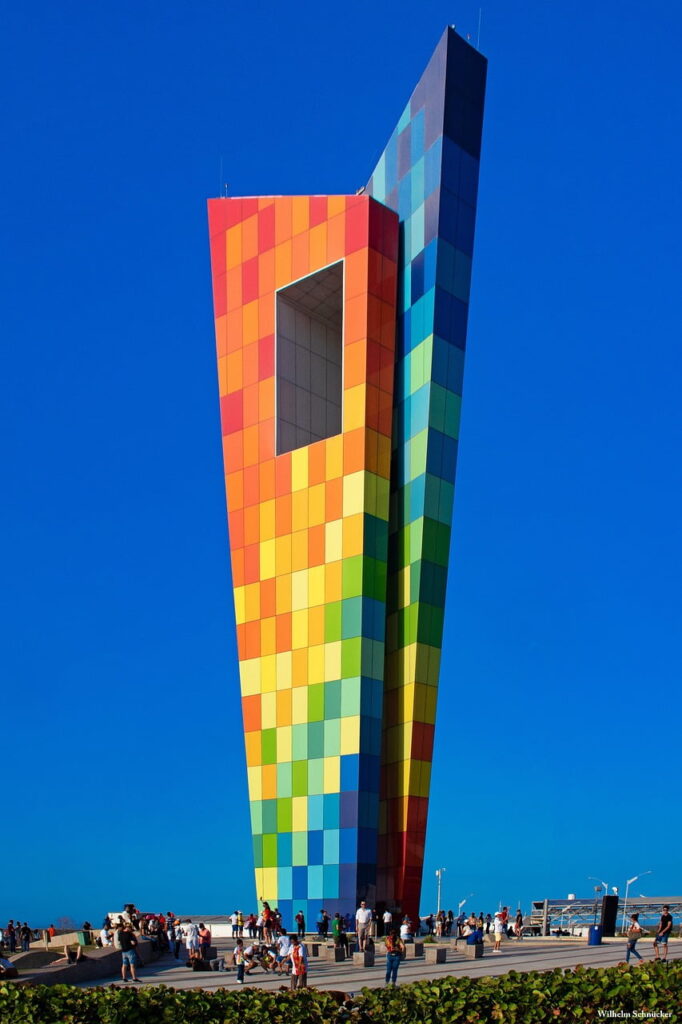
This is a towering, colorful glass monument that has become a symbol of the city’s growth. It tells the history of Barranquilla through its vibrant colors and modern architecture.
Fun fact: It is the tallest monument of its kind in Colombia, standing at 47 meters tall
4. La Guajira
La Guajira is a mystical and rugged peninsula that represents the northernmost tip of South America, offering a landscape of stark contrasts where arid orange deserts collide with the deep blue ocean. This territory is the ancestral homeland of the Wayuu people, Colombia’s largest indigenous group, who have preserved their matrilineal traditions and weaving arts for centuries despite the harsh environment. From the salt flats of Manaure to the sacred cliffs of Cabo de la Vela, the region feels like a frontier land disconnected from the modern world. It is a place of spiritual importance, where the wind-sculpted dunes and pearl-diving history tell a story of resilience and deep connection to the natural elements.
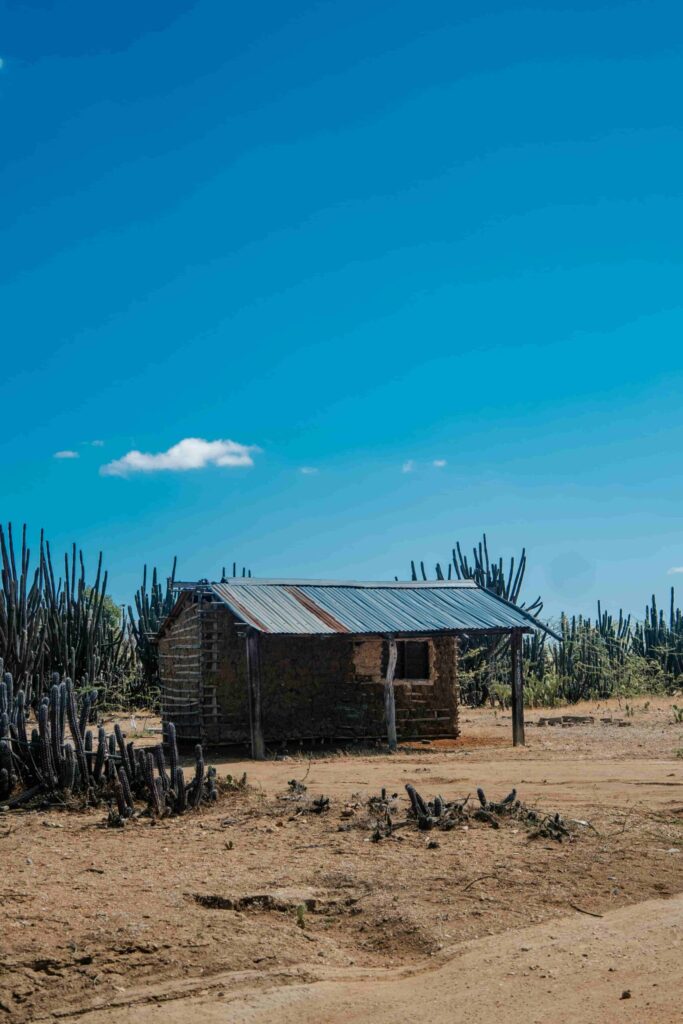
Visiting this region feels like traveling to the edge of the world. Because it is so remote, you should definitely focus on these three legendary spots during your journey north:
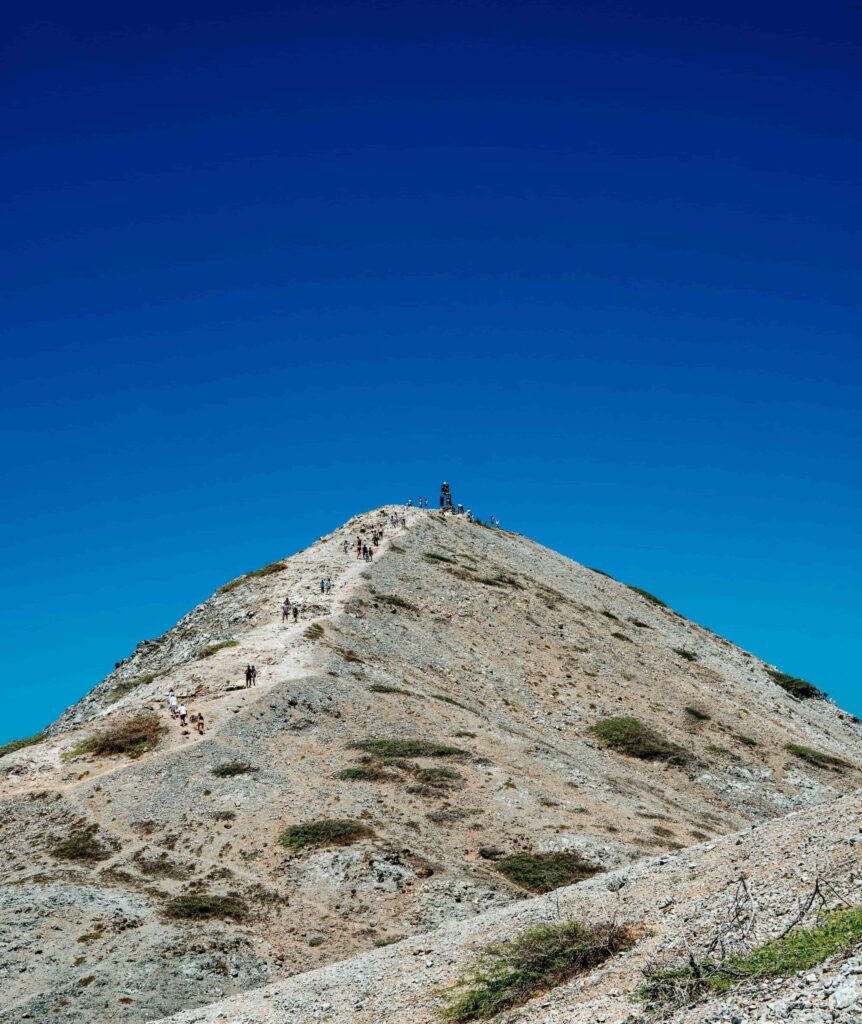
This is a small, quiet fishing village where the desert meets the sea. It is a sacred place for the Wayuu, who believe it is where the souls of the dead go to rest. The views from the “Pilón de Azúcar” hill are unforgettable.
Fun fact: The “Pilón de Azúcar” is actually a giant rock of white sand that stays cool even under the burning desert sun.
These are massive sand dunes that slope directly into the ocean. It is one of the few places on Earth where you can slide down a desert dune and land directly in the sea.
Fun fact: The sand here is naturally orange because it contains high levels of iron oxide, creating a stunning contrast with the blue water.
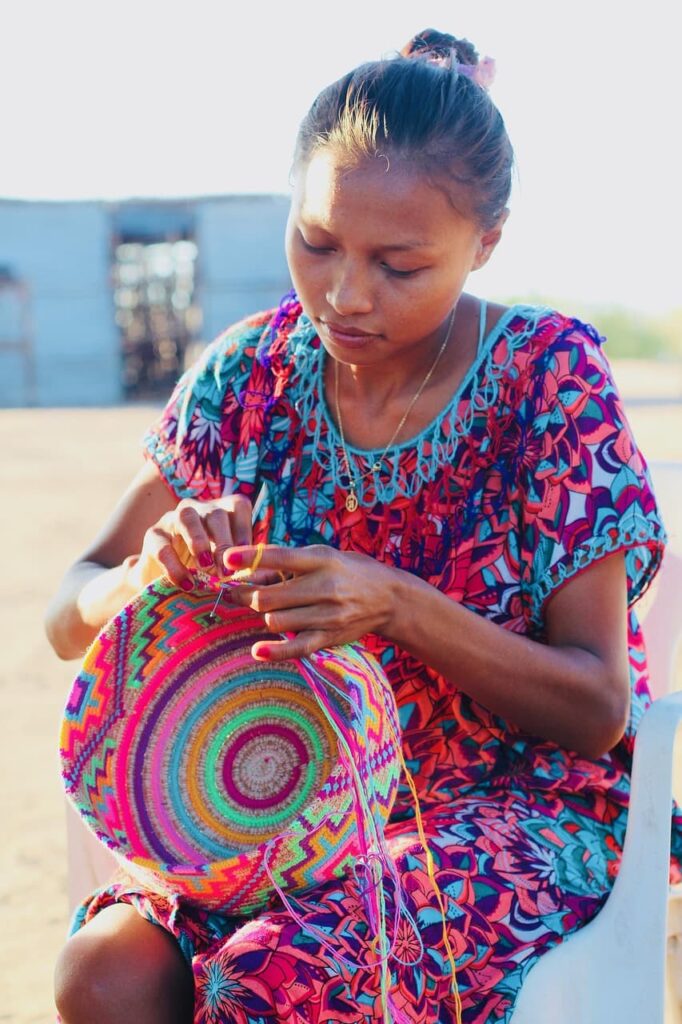
Visiting a local community is the best way to learn about the Wayuu culture. You can see how they weave their famous mochila bags and learn about their unique social structure.
Fun fact: In Wayuu culture, the women are the leaders of the family, and the family line is traced through the mother, not the father.
5. San Andrés and Providencia
Located over 700 kilometers away from mainland Colombia, this Caribbean archipelago is a tropical dreamscape world-renowned for its “Sea of Seven Colors,” where the water transitions through every shade of blue and turquoise. The islands are home to the Raizal people, whose English, African, and Spanish heritage is reflected in their Creole language, reggae rhythms, and distinct colorful wooden architecture. San Andrés is the bustling commercial heart of the islands, while its sister Providencia remains one of the most untouched and authentic spots in the Caribbean. Together, they form part of the Seaflower Biosphere Reserve, boasting one of the largest and most diverse coral reef systems on the planet.
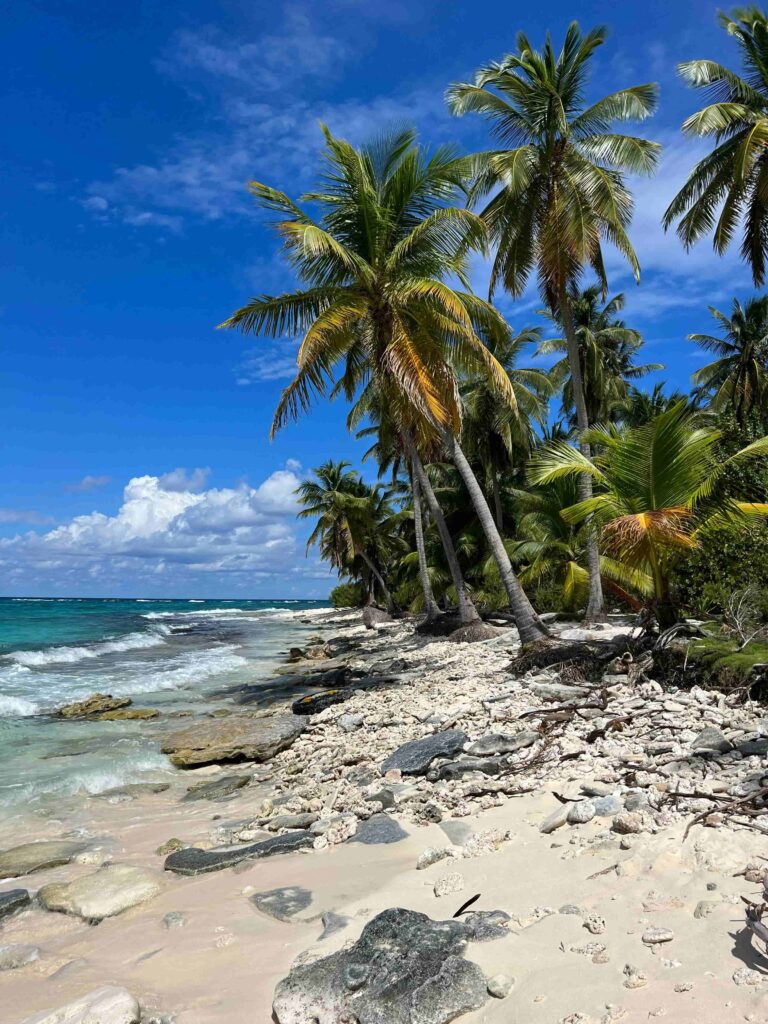
These islands are all about the water and the relaxed “Island Time” vibe. If you make it out to this paradise, here are the top 3 spots you must visit:
This is the quintessential Caribbean islet. It is a tiny island covered in coconut palms and surrounded by white sand. It’s the perfect place to eat fried fish and listen to reggae music.
Fun fact: The island is home to a large population of friendly iguanas that roam the sand looking for fallen coconuts.
This is a natural pool where the water is so clear and shallow that it looks like a giant swimming pool. You can walk from one islet to another through the ocean and see thousands of tropical fish.
Fun fact: If you stay very still, friendly manta rays often swim right up to you to say hello.
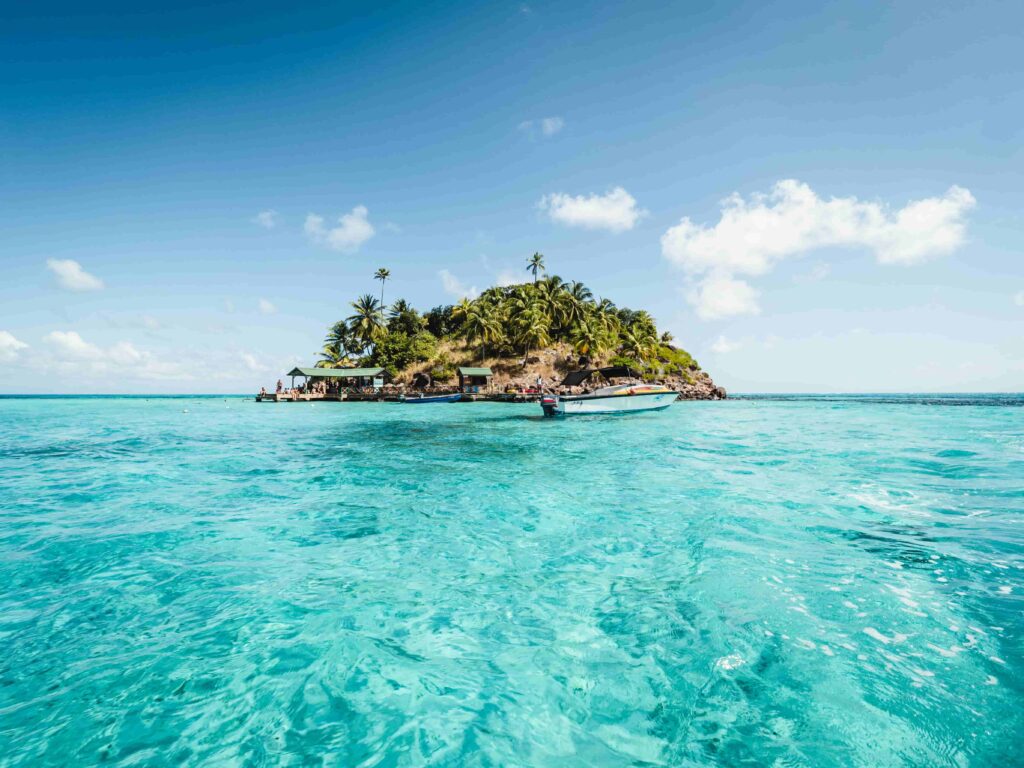
Accessible only by a small plane or a catamaran from San Andrés, Providencia is much more traditional and untouched. The wooden “Bridge of Lovers” connects it to Santa Catalina island and offers a perfect sunset view.
Fun Fact: Every year, the island experiences a “Black Crab Migration,” where millions of crabs come down from the mountains to the sea, temporarily closing the roads.
Leave a Reply