
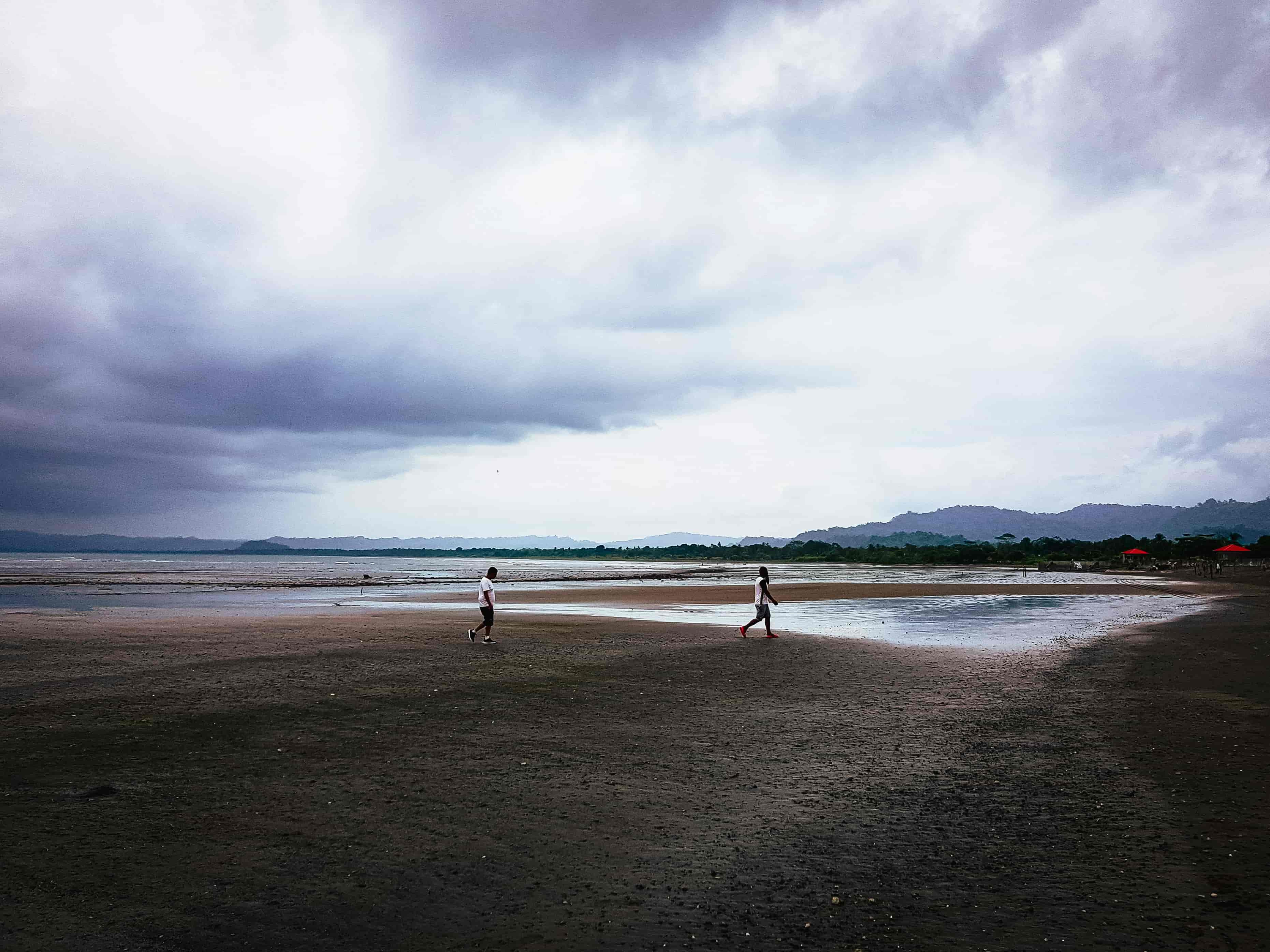
The Pacific Region of Colombia is one of the most biodiverse and mysterious places on the planet. It is a land where the densest tropical rainforests in the world crash directly into the dark, volcanic sands of the Pacific Ocean. Defined by its heavy rainfall, deep Afro-Colombian roots, and the haunting songs of humpback whales, this region offers a raw, “off-the-beaten-path” adventure that feels worlds away from the modern era. It is a place of rhythmic marimba music, exotic fruits, and a spiritual connection to the tides that govern daily life.
Here are my top 5 places to visit in Colombia’s Pacific Region. These destinations highlight the wild diversity of the area, from remote jungle hideaways and sanctuary islands to vibrant cultural capitals and whale-watching hotspots. Each place offers a different way to experience the Pacific, whether through extreme adventure, marine conservation, or immersion into the soul of Chocó culture.
1. Bahía Solano
Bahía Solano is a remote paradise in the Chocó department that serves as a premier destination for eco-tourism and deep-sea fishing. This hub is unique because of its dramatic landscapes, where steep, emerald-green mountains fall sharply into the deep blue ocean, creating hidden coves and waterfalls that drop directly onto the beach. It is a world governed by the seasons, most notably the arrival of humpback whales and the nesting of sea turtles. The town itself is small and welcoming, acting as a gateway to some of the most untouched primary rainforests left in South America.
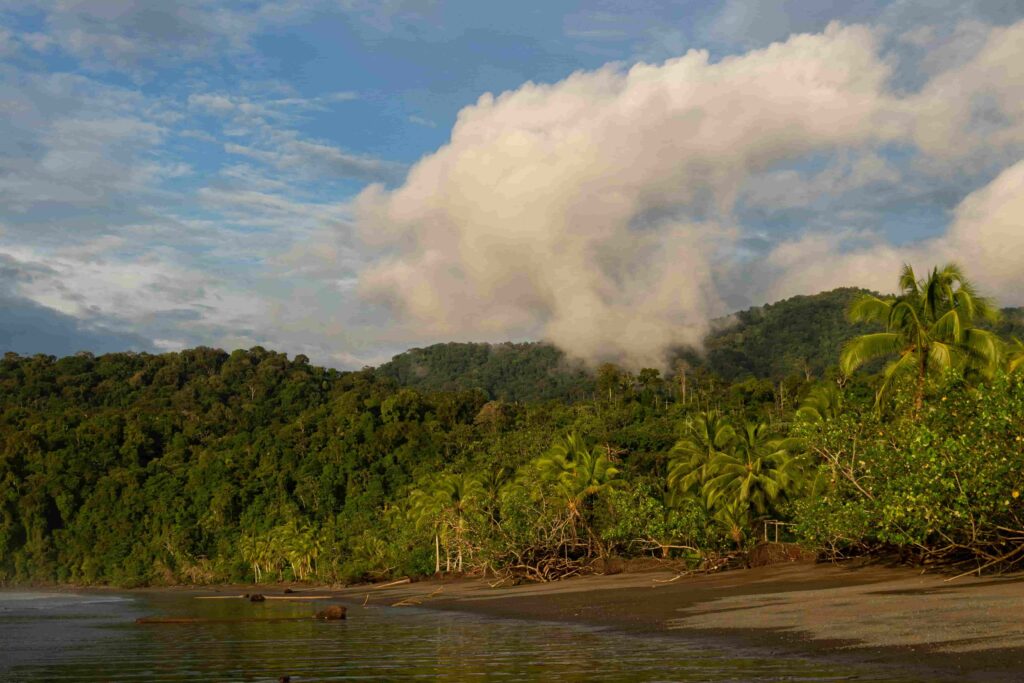
While the town is humble, the surrounding nature is grand and offers experiences you won’t find anywhere else. To help you explore this wild frontier, here are the top 3 spots you must visit:
This is a spectacular natural inlet that acts as a “nursery” for humpback whales. The water is calm and protected, surrounded by mangroves and rainforest, making it one of the most peaceful places on Earth.
Fun fact: The water in the inlet is so calm that whales often bring their calves here specifically to teach them how to breathe and swim.
This small fishing village near Bahía Solano is famous for its long, dark sand beaches where sea turtles come to lay their eggs. It has a relaxed, backpacker vibe and is the perfect place to watch the sun set over the Pacific.
Fun fact: Olive Ridley turtles hatch here by the thousands, and local conservation groups often allow visitors to help release the tiny hatchlings into the ocean.
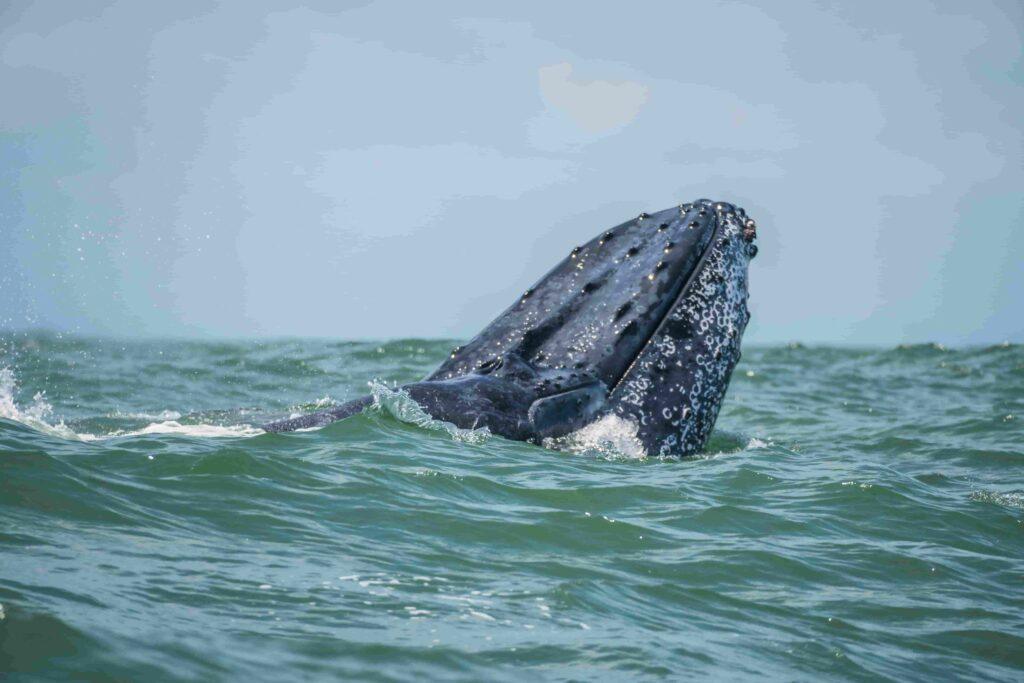
Between July and October, the waters around Bahía Solano become a stage for the majestic humpback whales. You can take small boats out to see them breaching and “singing” just a few meters away from you.
Fun fact: Humpback whales travel over 8,000 kilometers from Antarctica to these warm waters just to give birth.
2. Nuquí
Nuquí is perhaps the most iconic destination in the Pacific, accessible only by small plane or boat, which has kept its beauty perfectly preserved. It is a haven for surfers, hikers, and those seeking total disconnection from the outside world. The region is famous for its “eco-lodges” built from sustainable wood and nestled between the giant leaves of the jungle and the crashing waves of the sea. Beyond the beaches, the area is crisscrossed by crystalline rivers and thermal springs, offering a therapeutic experience in the middle of the humid rainforest.
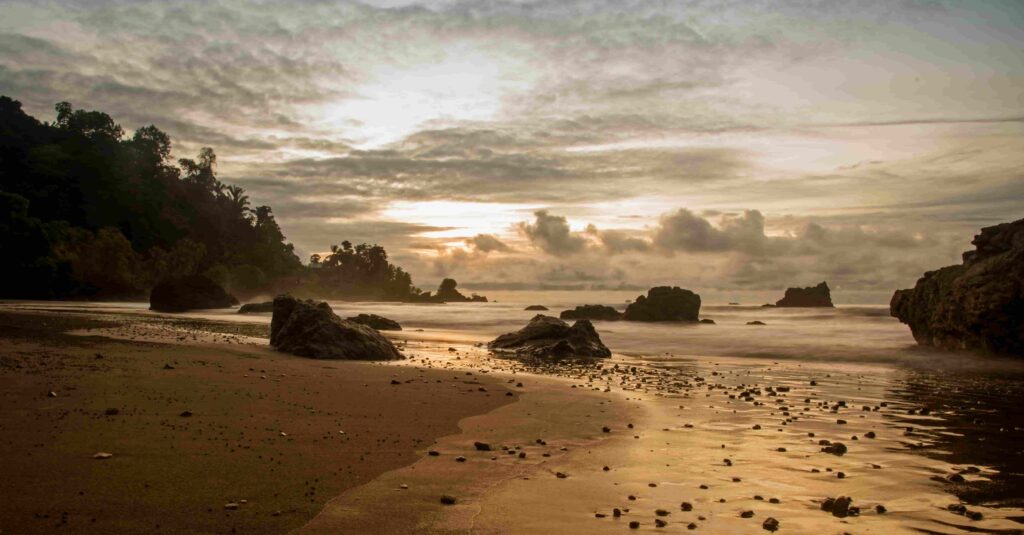
Nuquí is more than just a destination; it is a sensory experience of sounds, smells, and sights. Here are the top 3 activities you should prioritize during your stay in this remote paradise:
This is widely considered the most beautiful beach in the Pacific. It features dark sand, coconut palms, and large rocks scattered along the shore, with several high-end eco-hotels hidden among the trees.
Fun fact: The sand is dark because it is volcanic, meaning it can get incredibly hot under the midday sun!
A short walk or boat ride from the main beaches takes you to a small village with natural hot sulfur springs located right next to a cool jungle stream. It is the ultimate natural spa experience.
Fun fact: Locals believe these waters have healing powers that can cure everything from skin problems to a broken heart.
You can take a traditional “chingo” (hand-carved canoe) up the Joví River, guided by locals through a tunnel of giant “pichindé” trees until you reach a hidden waterfall deep in the forest.
Fun fact: The forest here is so dense that some species of orchids found along the riverbanks haven’t even been fully classified by scientists yet.
3. Gorgona Island
Gorgona Island is a place of incredible transformation, located about 35 kilometers off the coast. For decades, it was Colombia’s most feared high-security prison, the “Alcatraz of Colombia”, but today, it is a protected National Park and a world-class sanctuary for scientists and divers. The island is almost entirely covered in dense tropical forest and is surrounded by coral reefs teeming with sharks, rays, and dolphins. It is a hauntingly beautiful place where the ruins of the old prison are slowly being reclaimed by the jungle, creating a scene straight out of a movie.
The island is small, but its history and biodiversity are massive. These are the three must-do experiences for anyone brave enough to visit this former prison island:
You can walk through the remains of the old jail cells, the dining hall, and the guard towers, which are now covered in vines and moss. It provides a chilling but fascinating look at Colombia’s penal history.
Fun fact: The prison had no walls; the “walls” were the shark-infested waters and the venomous snakes that live in the island’s interior.
Gorgona is one of the best diving spots in the world. The Pyramid is an underwater rock formation where you can see schools of hammerhead sharks, giant mantas, and sea turtles in incredible visibility.
Fun fact: Gorgona is often called “Science Island” because so many researchers live there year-round to study its unique ecosystem.
The only white-sand beach on the island (and a rarity in the Pacific), this is a stunning spot for snorkeling right from the shore in calm, turquoise water.
Fun fact: Despite the island’s name (named after the Medusa-like snakes), this beach is perfectly safe and a favorite spot for spotting capuchin monkeys.
4. Bahía Málaga
Located near the port of Buenaventura, Bahía Málaga is one of the most humid places on the planet and home to the Uramba National Park. This bay is a labyrinth of mangroves, sea caves, and waterfalls that drop directly into the ocean. Because the water here is exceptionally warm and calm, it serves as the primary “maternity ward” for the Pacific’s humpback whales. It is a place of deep green water and gray mist, offering a mystical atmosphere that feels like the beginning of time.
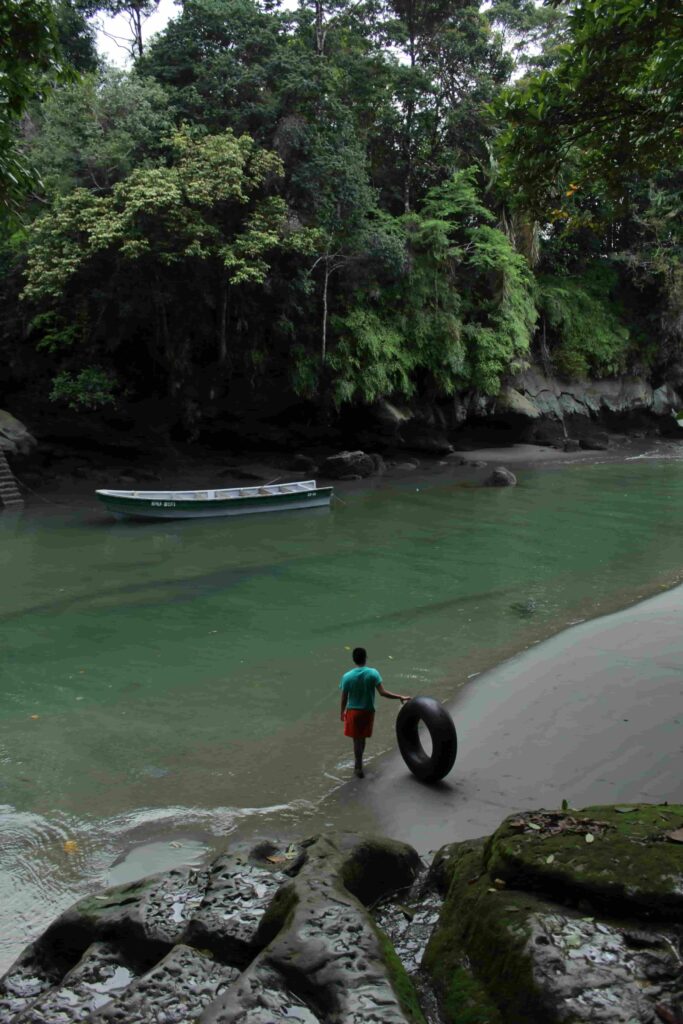
While it is more accessible than the deep Chocó, it remains wild and adventurous. Here are the top 3 spots to explore in this watery labyrinth:
These are two twin waterfalls that fall over 60 feet directly into the salty ocean water. You can take a boat right up to the base of the falls and even swim in the freshwater pools behind them.
Fun fact: When the tide is high, you can jump from the boat directly into the waterfall’s spray!
These are the two main cliffside villages where travelers stay. They offer dramatic views of the Pacific and are famous for their vibrant nightlife and “Viche” (a traditional Afro-Colombian moonshine).
Fun fact: The cliffs here are made of ancient clay that is constantly being reshaped by the powerful Pacific waves.
Exploring the “esteros” (estuaries) by kayak allows you to see the incredible root systems of the mangroves and spot rare birds and crabs that live in this brackish water world.
Fun fact: Mangroves are “nature’s kidneys” because they filter toxins out of the water and protect the coast from erosion.
5. Quibdó
Quibdó is the capital of the Chocó department and the soul of the Colombian Pacific. Situated on the banks of the massive Atrato River, it is one of the rainiest cities in the world, which gives it a lush, ever-green appearance. Quibdó is not a beach destination; it is a cultural destination where the African heritage of Colombia is most visible through its food, its music, and its legendary “San Pacho” festival. It is a city of resilient people, vibrant markets filled with jungle herbs, and a deep connection to the river that serves as the highway to the rest of the region.
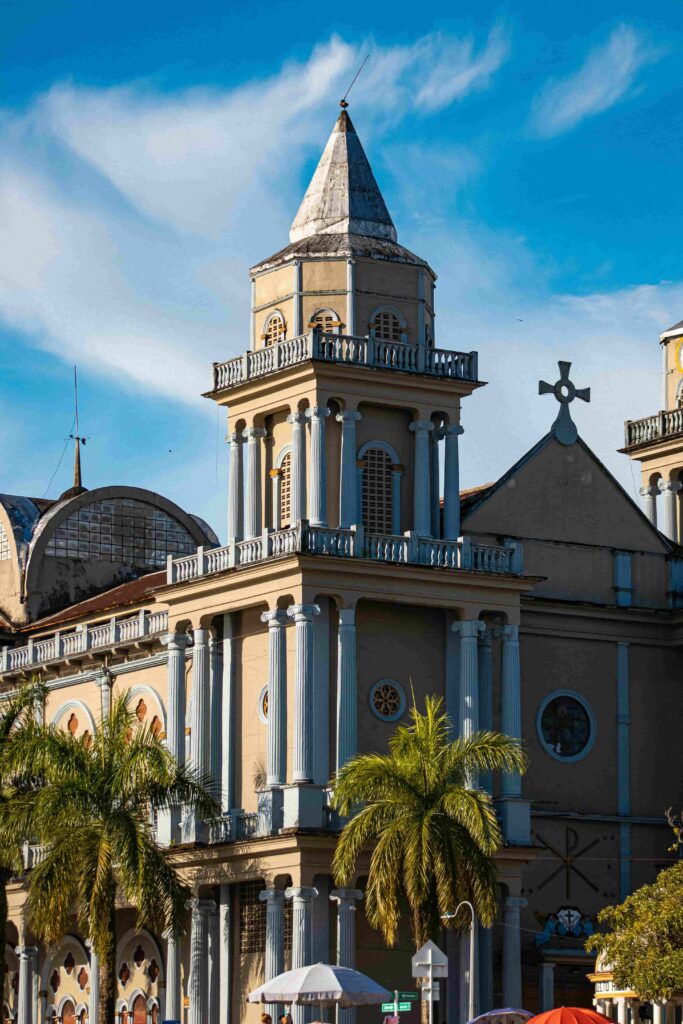
Quibdó is where you go to feel the rhythm of the Pacific. Here are the top 3 things you have to see to truly understand this unique capital:
The social center of the city, where you can watch the massive wooden boats arrive from the jungle and enjoy a sunset over one of the widest rivers in Colombia.
Fun fact: The Atrato River is so deep and powerful that it is one of the fastest-flowing rivers in the world relative to its size.
A beautiful and unique cathedral that blends traditional architecture with local Chocó style. It is the centerpiece of the famous San Pacho festivities.
Fun fact: During the San Pacho festival in September, the entire city dances through the streets for weeks in honor of Saint Francis of Assisi.
A short trip from the city leads you to this small village, which holds the record for some of the highest rainfall on Earth. It features beautiful rivers like the Rio Ichó, where you can swim in crystal-clear water surrounded by rainforest.
Fun Fact: Tutunendo receives about 11,000 millimeters of rain a year—that’s almost 10 times more than London!
Leave a Reply