
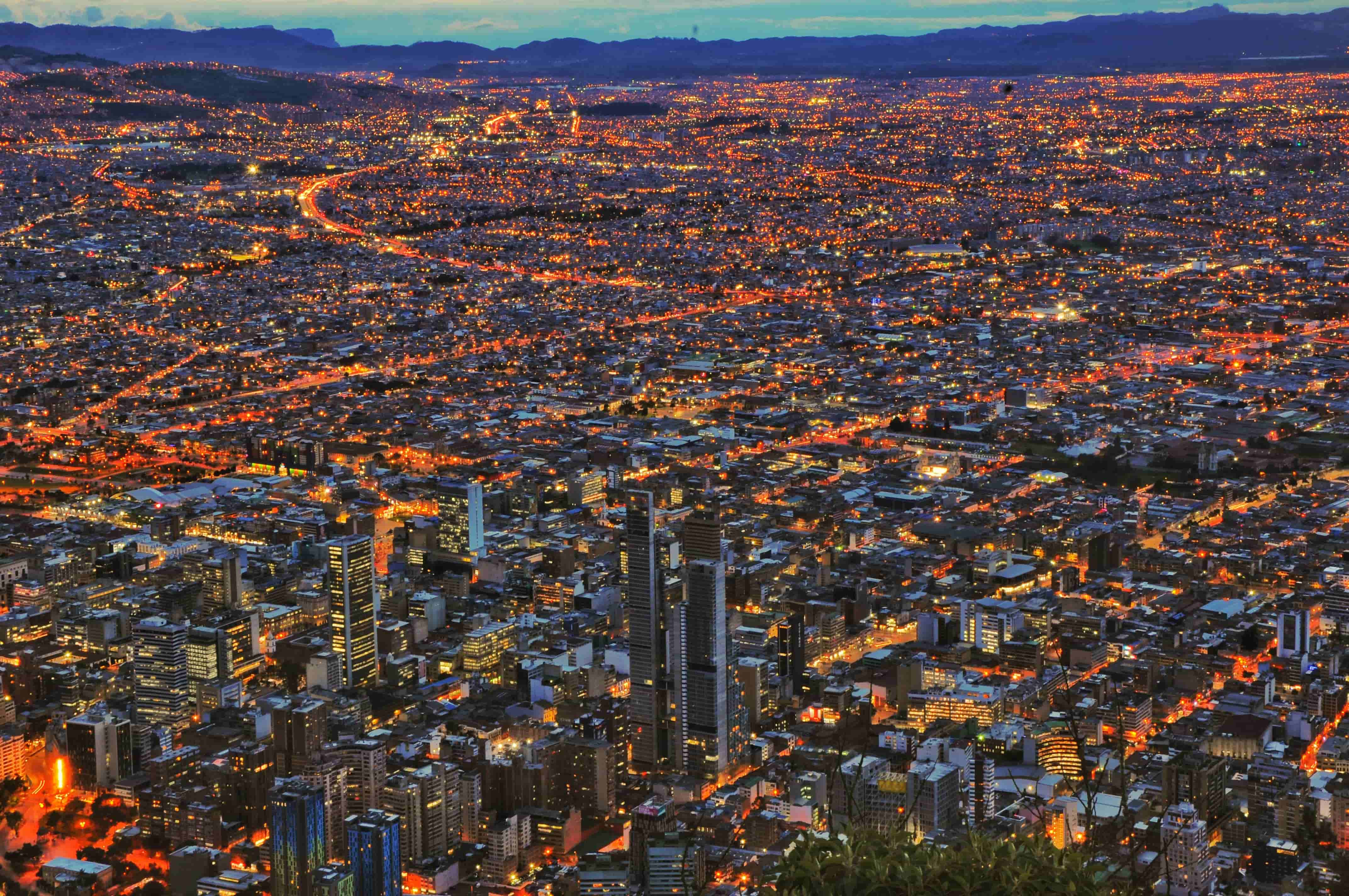
The Andean Region is one of Colombia’s most diverse areas, known for its mountains, major cities, and traditional “pueblos”. It includes high altitude cities like Bogotá, which sits at almost 3,000 meters above sea level, and also quieter colonial towns and the main coffee-growing zones. It’s a great region for travelers who want a mix of urban plans, history, nature, and easy day trips.
Here are five destinations that showcase the diversity of Colombia’s Andean Region. They reflect the mix of high altitude cities, colonial towns, and natural landscapes that define this part of the country. These places offer different experiences, from cultural and urban exploration to scenic views and nature focused trips.
1. Bogotá (capital city)
Bogotá is Colombia’s high altitude capital, a city that blends history, culture, and modern life in one place. Sitting at almost 3,000 meters, it has a mix of traditional neighborhoods, contemporary districts, green parks, and some of the most important museums in the country. The historic center, known as “La Candelaria”, has colorful streets, colonial architecture, and cultural spots that show the city’s roots. In contrast, areas like “Zona Rosa”, “Chapinero”, and “Parque de la 93” offer a more modern vibe with restaurants, cafés, shopping, and nightlife. Bogotá is also home to key landmarks such as Monserrate, the Gold Museum, and large urban parks that make the city feel both energetic and green at the same time. It’s a place where you can explore art, food, history, and city life in a single day.
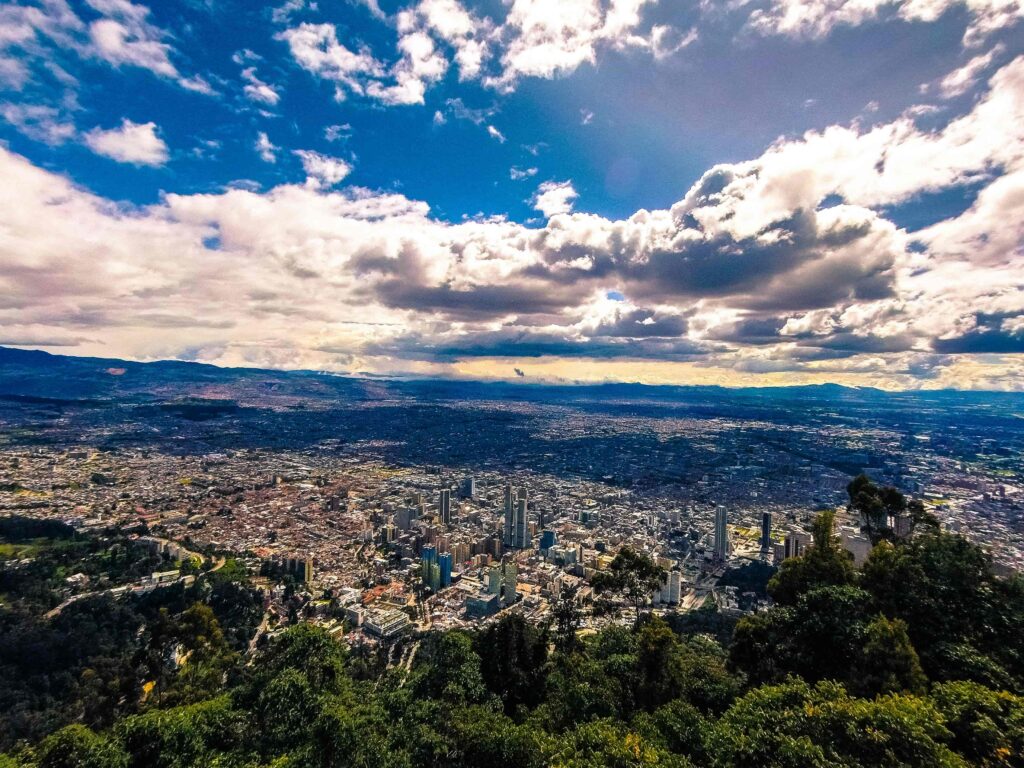
Here are my top 5 places to visit in Bogotá. These spots show different sides of the city, from its historic core to its best viewpoints, museums, and green areas. Whether you’re into culture, city walks, or panoramic views, these are the places that most travelers and locals consider essential.
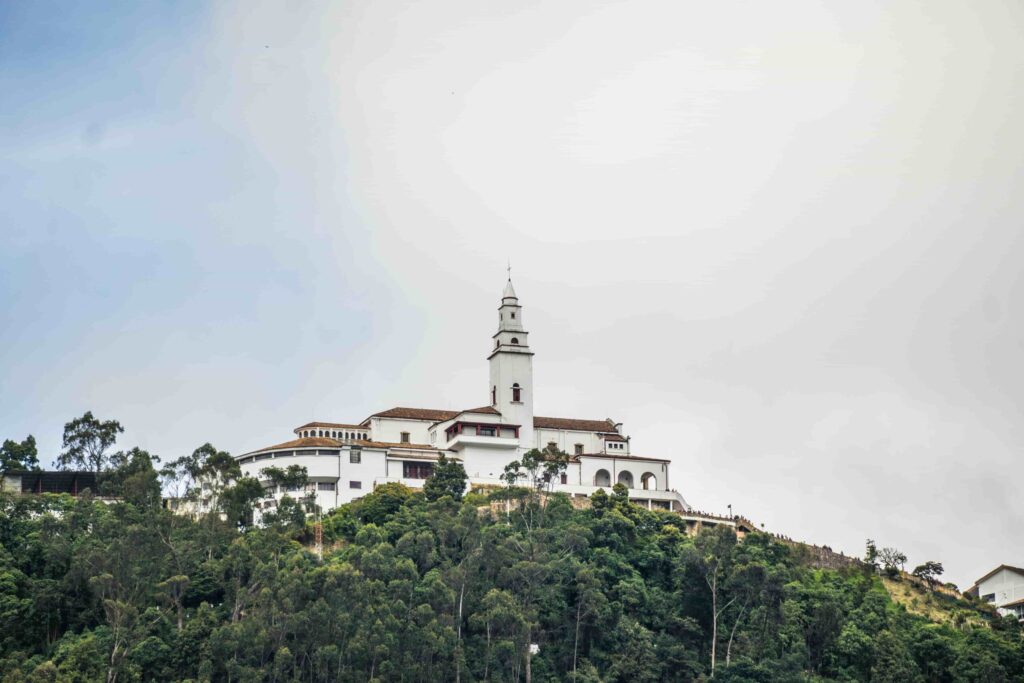
Monserrate is the most iconic viewpoint in Bogotá, sitting at around 3,000 meters. You can reach the top by cable car, funicular, or on foot if you’re feeling sporty. From there, you get a full panoramic view of the city, the mountains, and the skyline. It’s the best spot to understand how big and diverse Bogotá really is, and it’s one of the most recommended experiences for any visitor.
The church at the top isn’t just a viewpoint favorite. It’s actually one of the most visited pilgrimage sites in Colombia, especially during Easter, when thousands of people hike up the mountain at dawn.
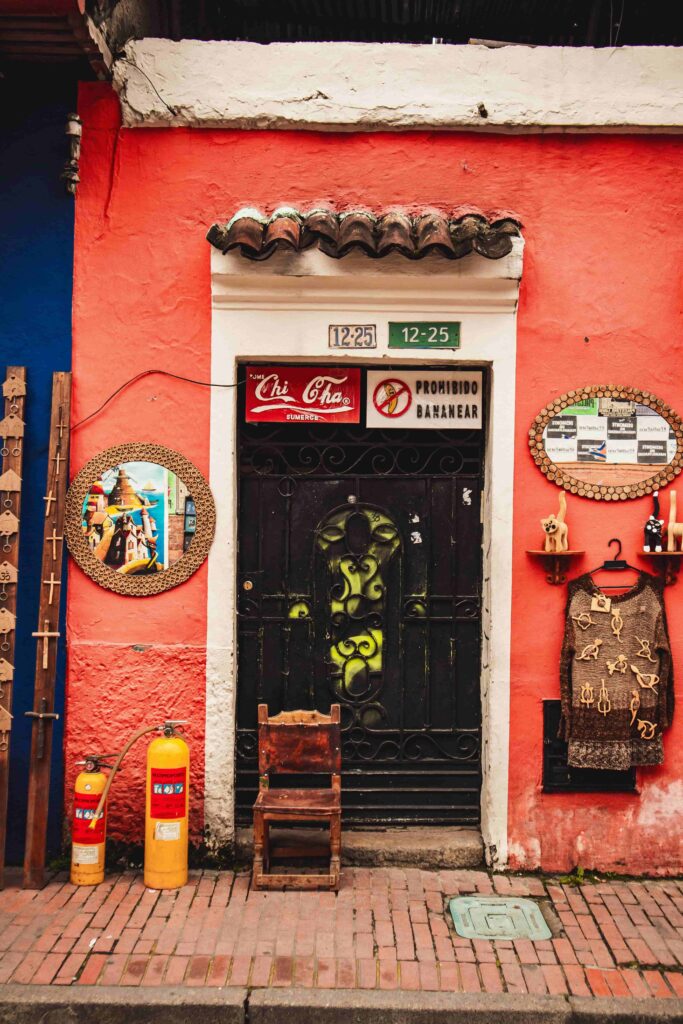
La Candelaria is the historic heart of the city, known for its colorful streets, colonial houses, small cafés, and museums. Walking through this area gives you a mix of culture, history, and everyday life. You’ll find important landmarks like Plaza de Bolívar, the Botero Museum, and the Gold Museum nearby. It’s the perfect place to explore on foot and take in Bogotá’s older side.
Many of the houses in La Candelaria still have “tapias” and “tejas de barro” (traditional adobe walls and clay roof tiles), the same construction style used back in the colonial era.
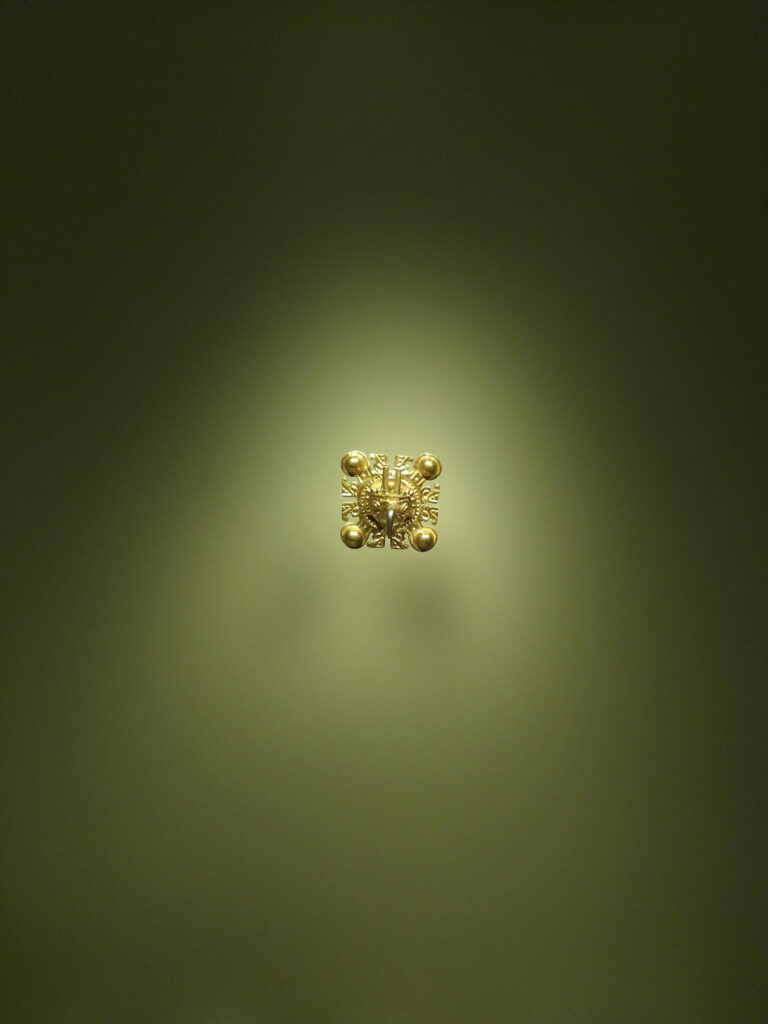
The Gold Museum is one of the most important museums in Colombia and a must-visit. It holds thousands of pre Hispanic gold pieces that show the craftsmanship and traditions of different Indigenous cultures. The exhibitions are well organized and easy to follow, making it a great stop even if you’re not usually a museum person. Most travelers say it’s one of the highlights of the city.
The museum’s most famous piece, the “Muisca Raft”, is the artifact that inspired the legend of El Dorado. You can know more about it here.

Located inside La Candelaria, the Botero Museum showcases artworks donated by the Colombian artist Fernando Botero, including many of his iconic oversized figures. The collection also includes pieces from international artists, which makes it a complete and interesting stop for anyone into art or culture. It’s free to enter, which makes it even better.
Fernando Botero personally picked every single artwork in this collection, including pieces by Picasso, Dalí, Monet, and Chagall. He donated everything to the country with the condition that entrance always stays free.
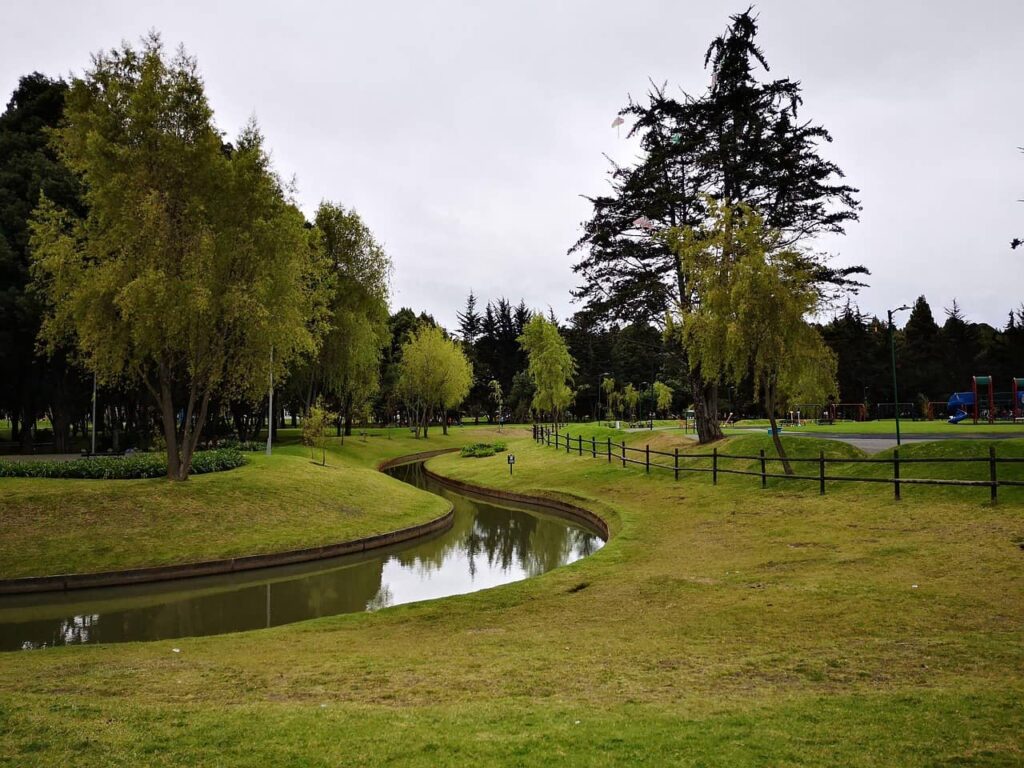
Simón Bolívar Park is Bogotá’s largest urban green space. It’s ideal for walking, biking, relaxing, or simply taking a break from the busy city energy. The park has a lake, long walking paths, sports areas, and open spaces that feel like a small escape without leaving the capital. Locals love it for weekend activities, picnics, and concerts held in the nearby arena.
The park is so big that people often call it “Bogotá’s Central Park”. It covers an area even larger than New York’s famous version.
2. Medellín (Antioquia)
Medellín is one of Colombia’s most innovative and vibrant cities. Located in the Aburrá Valley and surrounded by green mountains, it’s known for its mild climate, modern transport system, and a strong mix of culture, nightlife, and outdoor spaces. Areas like “El Poblado” and “Laureles” offer cafés, restaurants, and a lively local scene, while places such as “Comuna 13” and the city center show its artistic and social transformation. Medellín is also home to museums, gardens, viewpoints, and events that bring people together throughout the year. It’s a city that feels energetic, creative, and easy to explore.
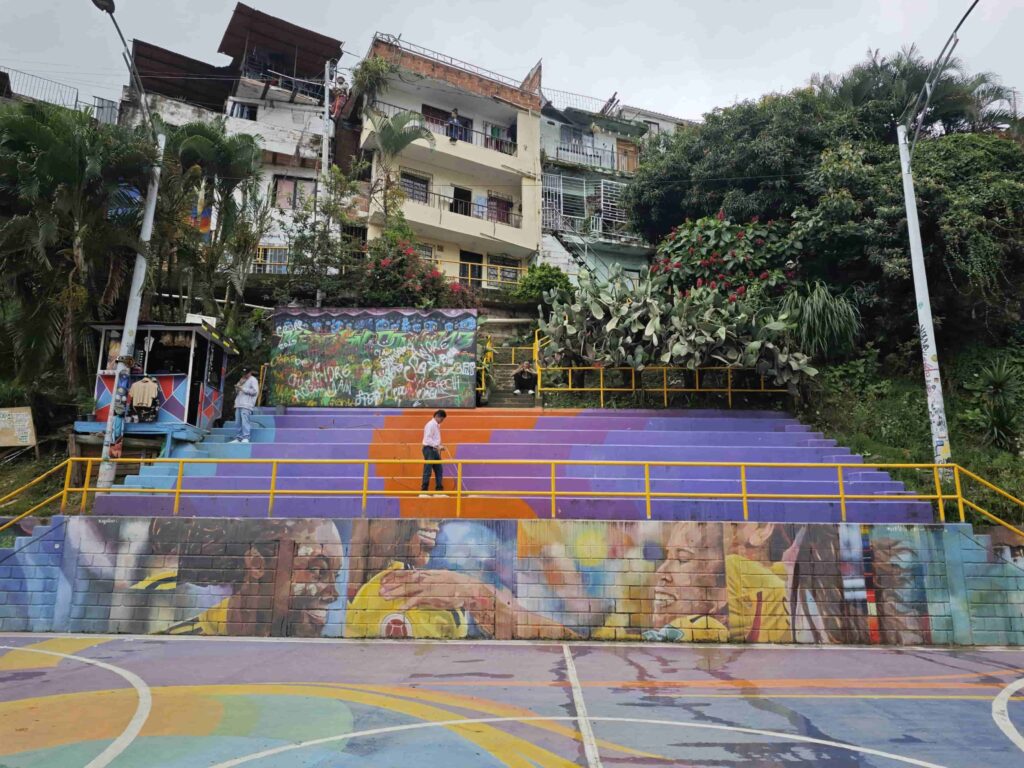
Here are my top 5 places to visit in Medellín. These spots highlight different sides of the city, from cultural transformation and urban art to nature escapes, viewpoints, and local heritage. Whether you’re into history, outdoor experiences, or city life, these are places most travelers and locals consider essential.
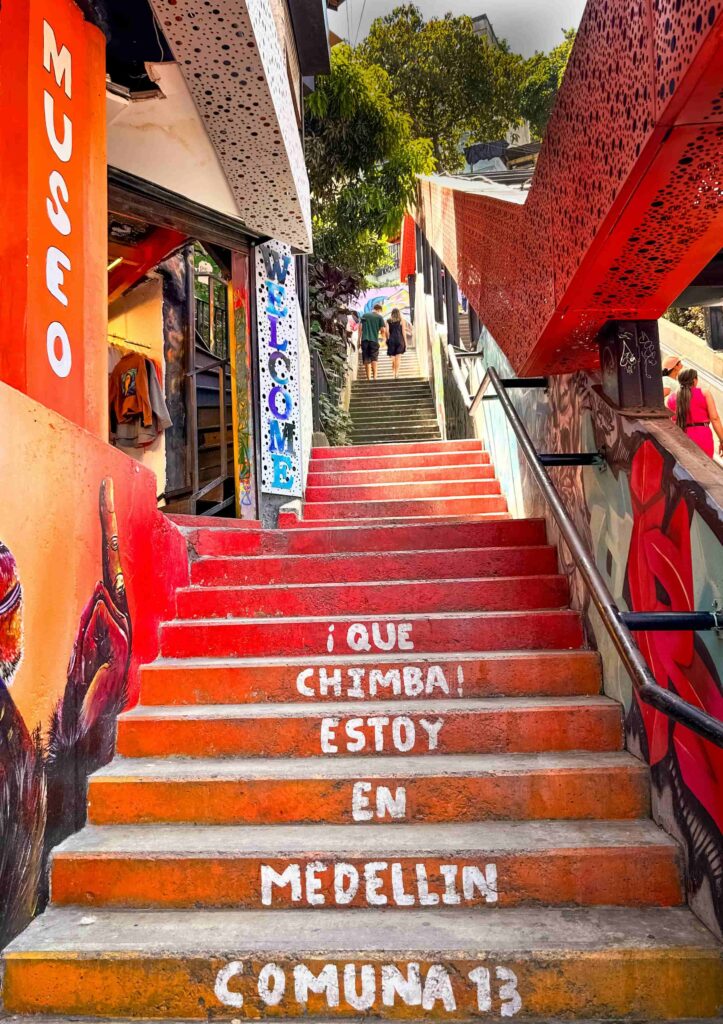
Once a neighborhood marked by conflict, “Comuna 13” has transformed into one of the most vibrant cultural spots in Medellín. Today it is filled with powerful street art, breakdance shows, music, and open air escalators that symbolize the community’s resilience. Walking through its colorful alleys gives you a raw and inspiring look at the social change the city has lived through.
Most visitors choose guided tours to fully understand the stories behind the murals and the people who built this transformation. A fun fact is that, the outdoor escalators in Comuna 13 cover the equivalent of a 28 story climb, making them one of the first urban escalator systems built for a low income neighborhood anywhere in the world.
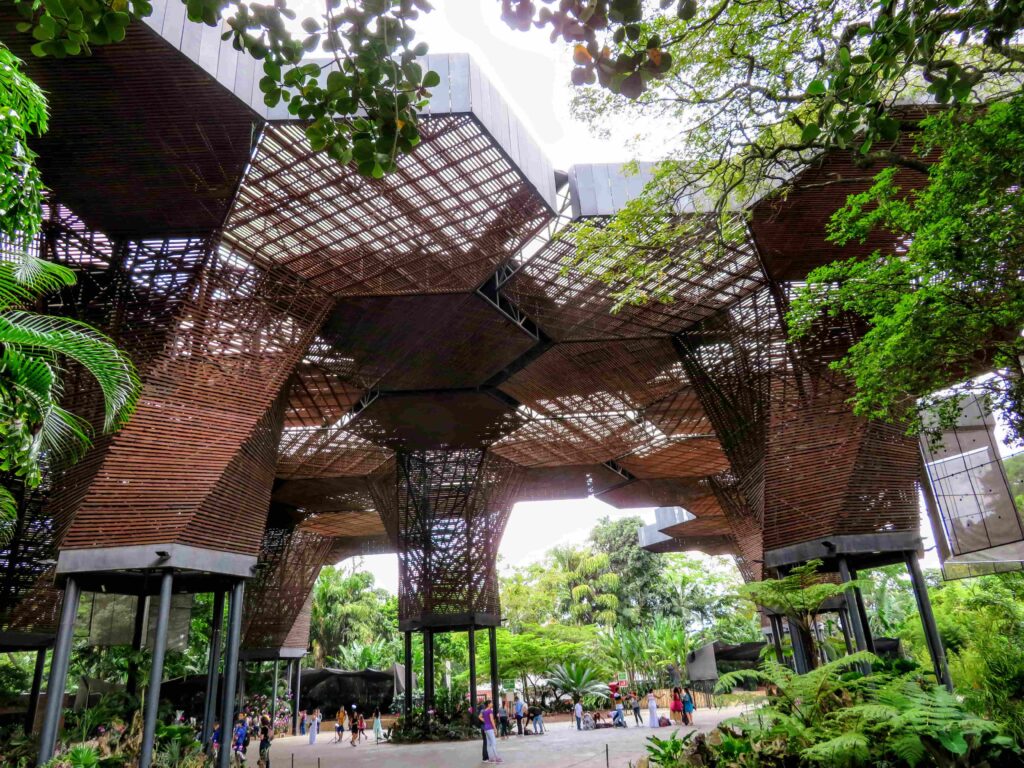
The Jardín Botánico is a peaceful green sanctuary in the middle of the city, perfect for anyone who loves nature, quiet walks, or escaping the urban noise for a bit. It showcases local flora, calm pathways, and plenty of spots to just chill. Right across the street is Parque Explora, a science and technology museum packed with interactive exhibits and one of the largest freshwater aquariums in Latin America. It is the kind of place where you can spend hours exploring without even noticing. Nature and science in the same plan? A total win.
The Jardín Botánico’s iconic Orquideorama was designed to mimic giant honeycomb flowers that naturally collect rainwater. It’s one of Medellín’s most awarded architectural structures.
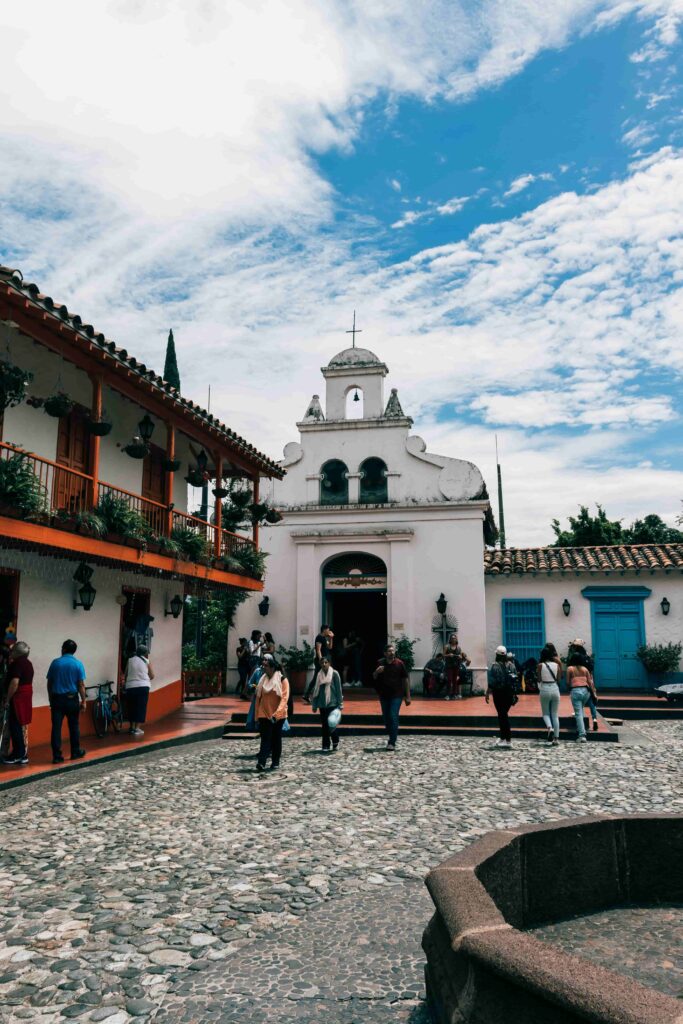
Located on top of “Cerro Nutibara”, “Pueblito Paisa” is a small replica of a traditional Antioquian town. It is super cute, full of old school charm, and known for offering one of the best panoramic views of Medellín. Visitors love coming for photos, sunsets, and a quick cultural dose that blends local architecture, food stands, and a full 360 view of the city. It is the perfect spot to understand how Medellín sits between mountains and why its landscape feels so iconic.
Even though it looks like a perfect old town, Pueblito Paisa is actually a replica built in 1977 using traditional Antioquian designs from the early 1900s.
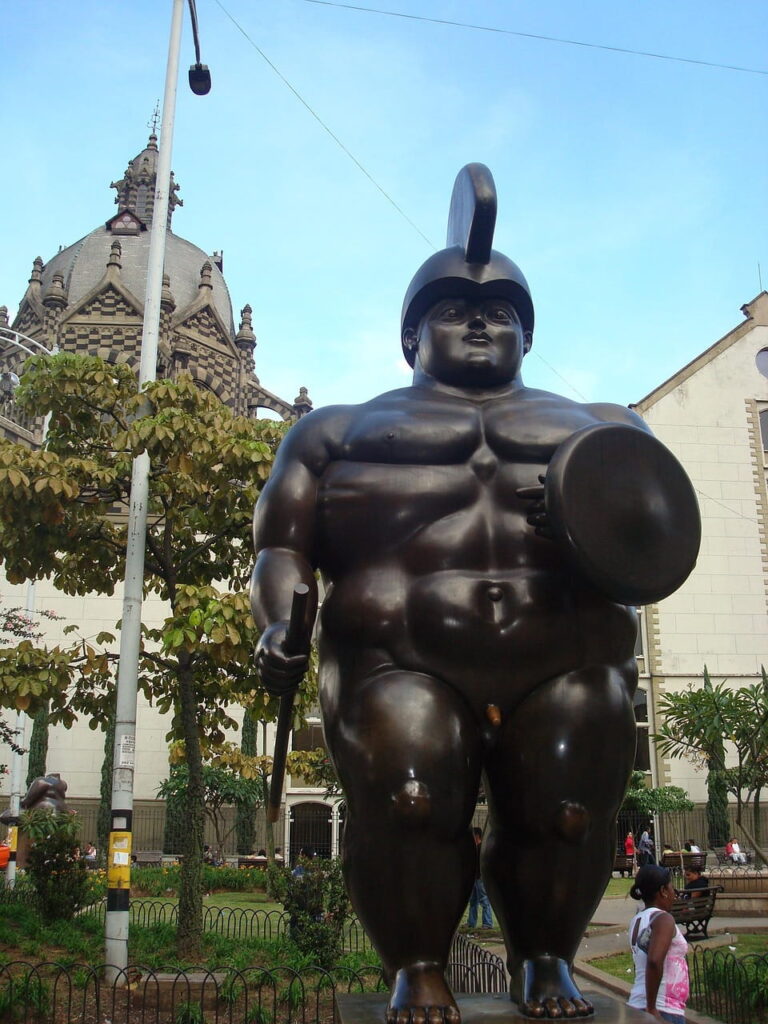
Located inside La Candelaria, the Botero Museum showcases artworks donated by the Colombian artist Fernando Botero, including many of his iconic oversized figures. The collection also includes pieces from international artists, which makes it a complete and interesting stop for anyone into art or culture. It’s free to enter, which makes it even better.
Fernando Botero personally picked every single artwork in this collection, including pieces by Picasso, Dalí, Monet, and Chagall. He donated everything to the country with the condition that entrance always stays free.
Leave a Reply